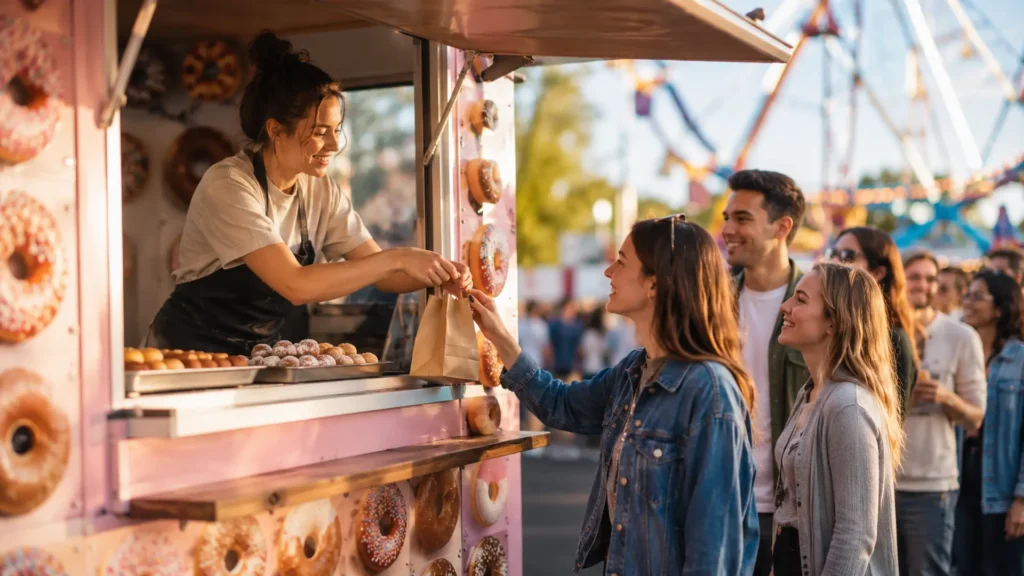
A donut food truck, the mini-donut kind that fries them fresh in front of the customer, is one of the highest-margin concepts you can park at a fair. The ingredients are flour, sugar, and oil, which cost pennies, and the smell of frying does your marketing for free. I have watched a single mini-donut machine turn a hundred-dollar bag of mix into a very good day at a busy festival. This guide is about the donut truck as a business: the machine and the economics, the equipment, the menu that lifts your ticket, and the frying-specific rules that come with hot oil. The numbers here are typical ranges, not promises, and your event calendar will move them.
The donut truck is a different animal from a frozen–dessert concept, so I will keep it specific. This is a fried, hot, dry-goods business: shelf-stable inputs, an open fryer, and a fire-suppression hood, with none of the cold chain a frozen treat needs. That difference shapes the cost, the compliance, and the whole rhythm of the day, so let me walk through how it actually works.
The mini-donut machine and why the margins win
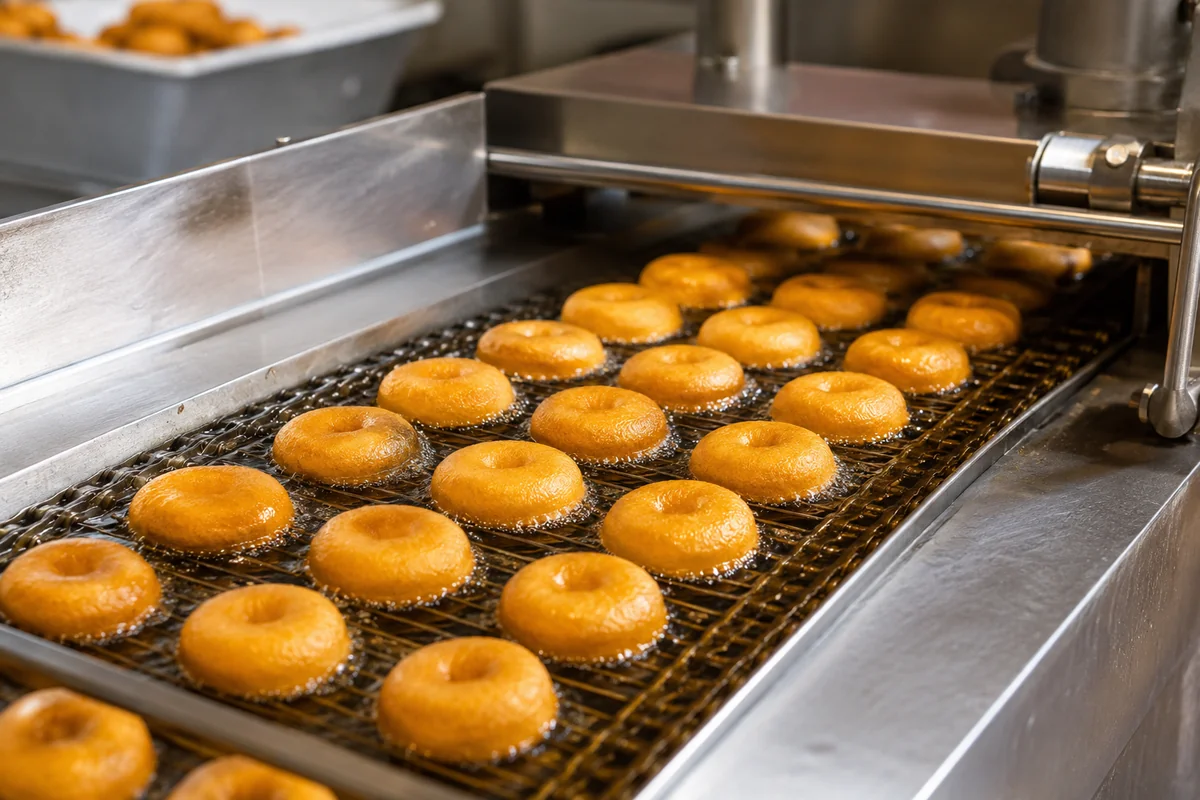
The heart of this business is the automatic mini-donut machine, and it is the reason the margins are so good. A commercial machine runs roughly fifteen hundred to three thousand dollars and can turn out something like five hundred to over a thousand donuts an hour, dropping batter, frying, and flipping on a little conveyor while you top and bag. A countertop unit is cheaper, a few hundred dollars, for lower volume. That one machine is what lets two people feed a festival line.
Now the economics, shown rather than asserted. The ingredient cost of a single mini donut is around thirty cents or so, often quoted near three to four dollars a dozen all in, and a dozen sells for about six dollars. That is the entire case for the concept: cheap inputs, a strong price, and a machine that produces volume. Gross margins on the donuts themselves are enormous, which is why operators talk about hundreds of dollars an hour in gross at a busy event. Just keep the claim honest, that is gross margin at the machine, before you pay for the truck, the fuel, the labor, and the booth fee.
| Metric | Typical figure |
|---|---|
| Ingredient cost per donut | ~$0.30 |
| Cost per dozen | ~$3 – $4 |
| Sale price per dozen | ~$6 |
| Machine output | ~500 – 1,200 donuts/hour |
| Machine cost | ~$1,500 – $3,000 (countertop $300 – $500) |
What it costs to start
Your startup cost tracks the format you choose, the same as any mobile concept. A cart build can come together in the range of fifteen to sixty thousand dollars all in, while a full truck commonly runs somewhere from the high twenties into the low hundreds of thousands depending on used versus new and how built-out the kitchen is. Permits and licenses typically add a couple to several thousand, initial ingredients a few thousand, and the broader kitchen equipment fifteen to thirty thousand if you are outfitting a full truck rather than a single-machine cart.
| Path | Typical all-in startup |
|---|---|
| Cart (single machine) | ~$15,000 – $60,000 |
| Trailer | ~$30,000 – $100,000+ |
| Truck (used to new) | ~$29,000 – $115,000 |
The donut concept is friendly to a small, cheap build precisely because the menu is narrow and the equipment is light. You do not need a sprawling kitchen, you need a reliable fryer-machine, a batter station, and a toppings line. That is part of the appeal: a focused concept keeps the build lean. If you are weighing this against other sweet concepts, the wider thinking on dessert trucks lives in the ice cream and dessert trucks hub.
The equipment stack
Beyond the donut machine itself, the stack is short and built around frying. You want a batter mixer or dispenser to keep the machine fed, refrigeration for fillings and dairy toppings, work tables for bagging and topping, and storage for your dry mix. The non-negotiable piece is the ventilation: frying means a commercial exhaust hood, and because you are working with hot oil and often propane, a fire-suppression system over the cooking line is required, not optional.
That hood and suppression setup is the single biggest difference between a donut truck and a frozen-dessert concept, and it is where a lot of the cost and the inspection scrutiny live. Build it to your local code the first time. The rest of the equipment is forgiving and inexpensive, but the fryer, the hood, and the suppression are the parts that keep you legal and keep a grease fire from ending your business. Spend the attention there.
The menu that lifts your ticket
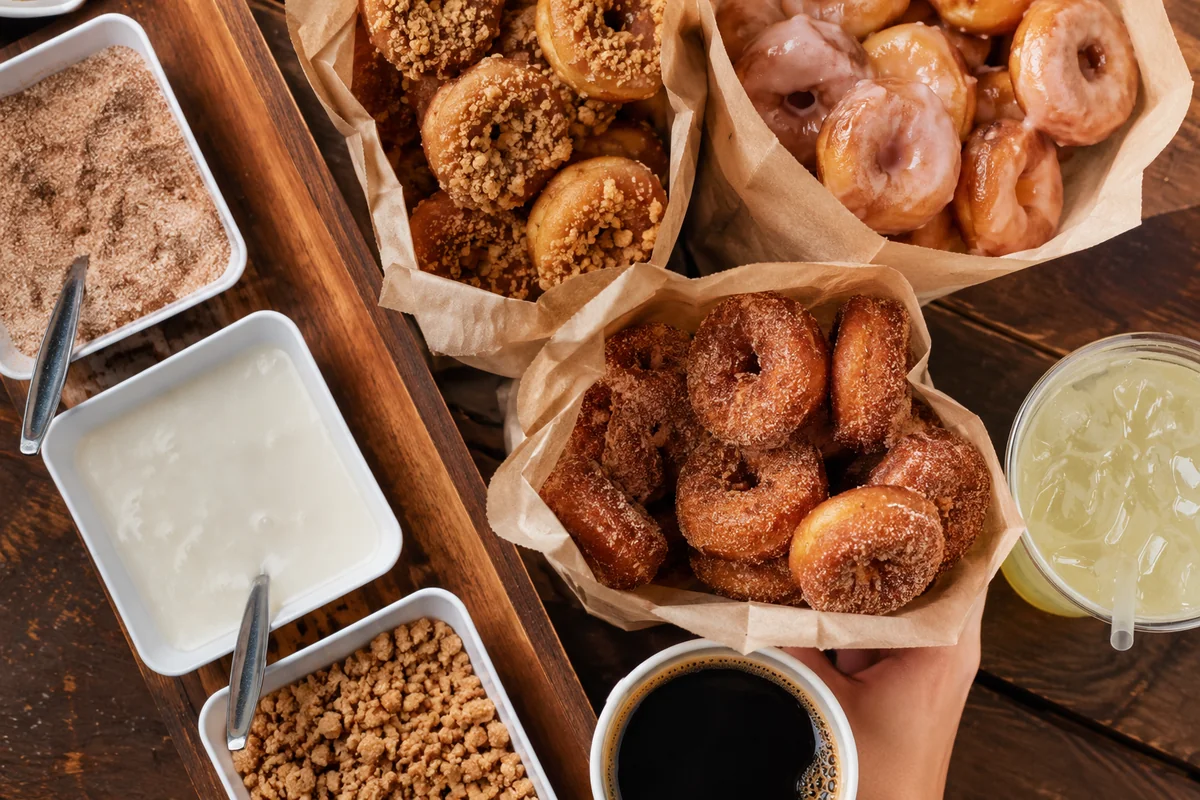
Fresh hot mini donuts are your signature, dropped and topped to order, and the smell of them frying is the best marketing you will ever get. But the donuts alone are a low ticket, so the money is in building the order up. A toppings bar, cinnamon sugar, glaze, powdered sugar, cookie crumble, cereal, drizzles, turns a plain dozen into a premium one for pennies of added cost. Fillings do the same. Each topping is margin you add without adding a new appliance.
The bigger lever is pairing drinks. Hot donuts and coffee are a natural, and fresh lemonade is the classic fair companion that lifts a ticket and carries huge margin of its own. A three-pillar menu of mini donuts, a hot drink, and a cold drink is the proven setup, because it serves the whole family and raises the average sale without slowing the line. A sweet pairing works too, and ideas like these no-bake sweet treats show how a simple add-on rounds out a dessert window, while a gluten-free dessert option captures the customers a fried-flour menu would otherwise turn away. Offer the add-ons at the window rather than waiting to be asked, because that one habit is where a lot of your profit quietly lives.
Frying rules, permits, and fire safety
The hot oil that makes this concept work also makes it the most regulated of the sweet trucks, so plan for it. You need the standard mobile food vendor permit and, in most cities, a commissary agreement where you prep, store your mix, fill water, and dump waste. On top of that, frying triggers fire-safety requirements: the hood and suppression system, safe propane handling, and grease disposal that an inspector will check. The CDC’s guidance on food safety covers the handling fundamentals, but your local health and fire authorities are the final word on the frying specifics.
Get the business set up properly before you fry a single donut. Register and get a federal tax ID through the IRS guide to getting an EIN, and work through your local requirements using the SBA overviews of how to register your business and apply for licenses and permits. The legal groundwork shared with every mobile concept lives in the starting and running a food truck hub. Build to code on the frying side and re-inspections stop being scary.
Seasonality and where the bookings come from
A donut truck is largely an event business, and the calendar is the honest part nobody mentions. Fairs, festivals, and farmers markets are the heart of it, and those concentrate in spring through fall, which means your big months are warm-weather months. A smart operator fills the rest of the year deliberately: holiday markets and indoor events in winter, and private catering, weddings, corporate mornings, and parties, which book a known headcount and pay regardless of the weather.
Plan your money around that calendar instead of being surprised by it. The peak season builds the cushion that carries the slow months, and a roster of booked private events smooths out the gaps the fair circuit leaves. The operators who do well treat the donut truck as a year-round business with a seasonal core, chasing catering in the shoulder months rather than parking the truck and hoping spring comes fast.
Private catering is the steadiest part of that calendar and the easiest to overlook. Weddings, corporate mornings, school events, and parties book a known headcount and pay a flat rate you agree on in advance, which locks your costs and your revenue in a way a fair never can. A fresh-donut bar is a memorable, low-cost catering offering, and one booked event can equal several ordinary market days. Build a simple catering package off your existing setup, price it for the guaranteed volume, and pursue those bookings deliberately, because they are what turn a seasonal fair business into something closer to a year-round income.
A realistic day at the fair
Here is how a donut-truck day actually runs, because the margin math only matters if you can execute it. You arrive early, mix your batter, heat the oil, and get the machine dialed in before the crowd builds, since cold oil and a cold machine make a bad first batch. Once people start moving, the frying smell becomes your barker, pulling the line in. The rhythm is simple but relentless: keep batter in the machine, keep donuts moving down the conveyor, top and bag fast, and never let the fryer sit empty during a surge.
Two people is the sweet spot for a busy event, one running the machine and topping, one taking orders and handling drinks and payment. That split keeps the line moving and the donuts hot, which is the entire promise of the concept. Watch your oil and your mix levels against the crowd, because running out of either mid-rush at a high-traffic event is pure lost revenue. The discipline that separates a great donut day from a mediocre one is not the recipe, it is keeping the machine fed and the line flowing through every surge. Keep a simple par sheet for batter and toppings so you prep the right amount for the expected crowd, because overprepping wastes mix and overstaffing eats your margin, while underprepping leaves money on the table when the line is longest.
Standing out from every other donut truck
Mini donuts are popular enough that you will have company, so a little differentiation goes a long way. The easiest edge is the toppings bar, because a creative, well-built selection of glazes, drizzles, and crumbles lets customers customize and gives you premium SKUs that a plain-donut competitor cannot match. A seasonal special, a pumpkin-spice topping in fall, a peppermint drizzle at holiday markets, gives regulars a reason to come back and gives you something fresh to post about.
The other edge is the pairing and the experience. Leaning into the made-fresh-before-your-eyes show, the smell, the warmth, the watching, turns a snack into an event, and that is worth a premium. Pairing hot donuts with good coffee and fresh lemonade rounds out a menu that serves a whole family in one stop. You do not need a huge menu to stand out, you need fresh, hot, customizable donuts and one or two things that make your truck memorable, because in a sea of similar concepts, memorable is what brings the line back next year. A strong name, a clean wrap, and a signature topping people talk about will do more for your repeat business than another item on the board, and they cost you almost nothing once they are set.
Cart, trailer, or truck for donuts
The donut concept works on every format, so the choice comes down to your budget, your volume, and how you want to work. A cart built around a single mini-donut machine is the cheapest way in and the easiest to tow or tuck into a tight event footprint, which makes it ideal for farmers markets, small fairs, and testing the concept before you commit real money. The trade-off is capacity and weather exposure, since a cart serves a smaller line and offers you less shelter on a long day.
A trailer steps up the space and the production without the full cost of a truck, and it keeps your tow vehicle separate so a breakdown does not strand your whole operation. A full truck is the most capital and the most overhead, but it is self-contained, fully brandable, and best if you are running a busy circuit of large events or want a daily presence. For a donut concept specifically, many operators find a cart or trailer hits the sweet spot, because the menu is narrow and the machine does the heavy lifting, so the extra room and cost of a full truck is not always worth it.
Whichever you choose, design around the machine and the frying line. The hood and fire-suppression requirement does not shrink just because the rig does, so even a modest cart still needs to handle the hot oil safely and legally. Pick the format your budget can build well and your target events can accommodate, and remember that a clean, well-run cart at the right markets beats an underfunded truck you stretched to afford. The concept rewards keeping it lean.
Frequently Asked Questions
How profitable is a donut food truck?
The donuts themselves carry very high gross margins because the ingredients cost pennies. A mini donut runs around thirty cents in ingredients and a dozen costs roughly three to four dollars to make while selling for about six, and a machine can produce five hundred to over a thousand donuts an hour. That is gross margin at the machine, though, before the truck, fuel, labor, booth fees, and permits. Net profit is healthy but lower than the headline once you cover overhead, and it leans heavily on busy events.
How much does a donut truck cost to start?
It depends on format. A cart built around a single machine can come together in the fifteen to sixty thousand dollar range all in, while a full truck commonly runs from the high twenties into the low hundreds of thousands depending on used versus new. The automatic mini-donut machine itself is about fifteen hundred to three thousand dollars. Add permits at a couple to several thousand, initial ingredients, and a fire-suppression hood. These are planning ranges, so get real local quotes first.
What equipment does a donut truck need?
The core is an automatic mini-donut machine, plus a batter mixer or dispenser to feed it, refrigeration for fillings and dairy toppings, work tables, and dry storage for the mix. Because you are frying, you also need a commercial exhaust hood and a fire-suppression system over the cooking line, which is required, not optional, and is the biggest difference from a frozen-dessert truck. Build the hood and suppression to local code, since that is where inspection scrutiny concentrates.
Do donut trucks need special fire permits?
Frying triggers fire-safety requirements that a frozen-dessert truck never deals with. Beyond the standard mobile food vendor permit and a commissary agreement, you typically need a commercial hood with a fire-suppression system, safe propane handling, and proper grease disposal, all of which your local fire and health authorities will inspect. The exact requirements vary by jurisdiction, so confirm with your city before you build. Build to code the first time and re-inspections become routine rather than stressful.