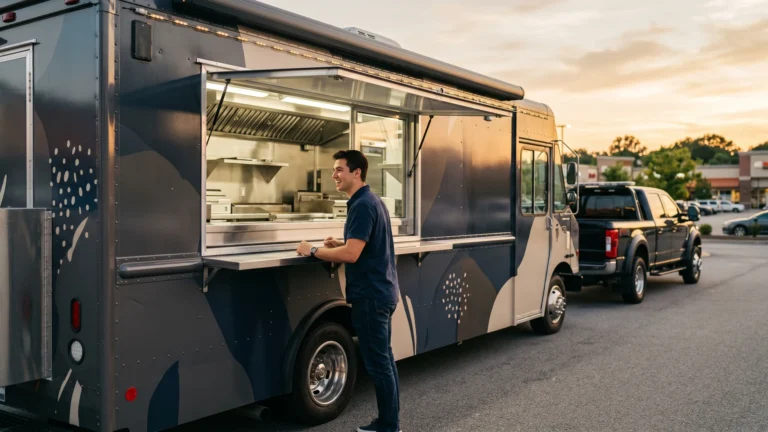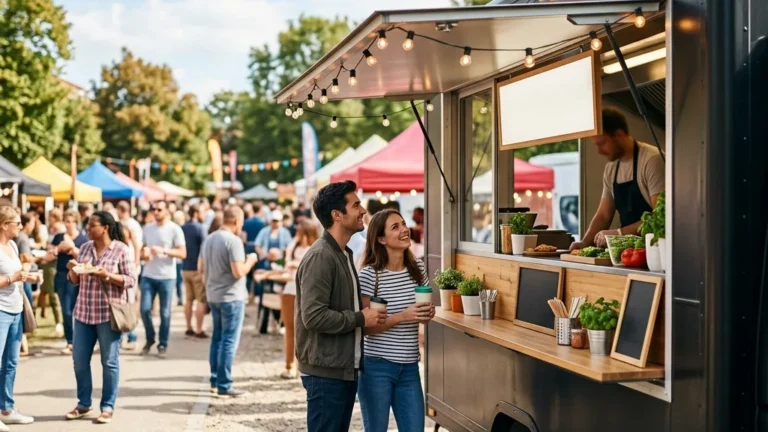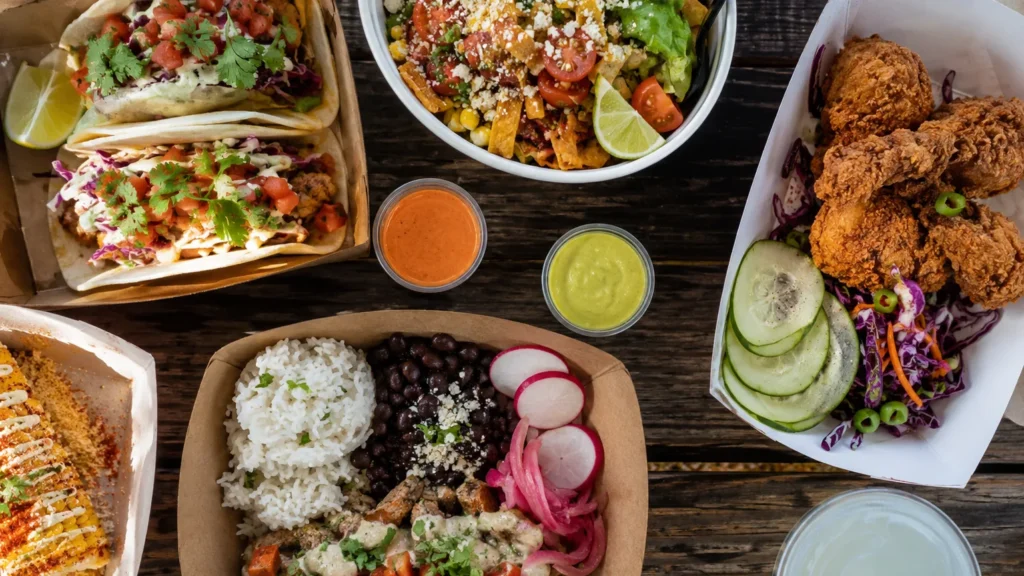
A food truck park is a permanent, organized space that brings a cluster of food trucks and carts together in one location, with shared amenities like seating, restrooms, and often a bar or stage. For diners, it turns a single stop into a whole menu of choices, from Thai to tacos to ice cream, all in one place. For truck owners, it offers something the open road cannot: a steady stream of foot traffic and ready-made infrastructure. Whether you want to find one, park your truck at one, or build one yourself, this guide walks through how a food truck park works, what it costs, and what makes the best ones thrive.
What Is a Food Truck Park?
Also called a food truck pod or court, a food truck park is a designated piece of land set up to host multiple mobile food vendors at once. Instead of trucks scattering to chase events around a city, they gather in a single spot that customers learn to visit for variety and atmosphere. The defining features are a fixed location, a curated mix of vendors, and shared customer amenities such as picnic tables, shade or tents, restrooms, and parking.
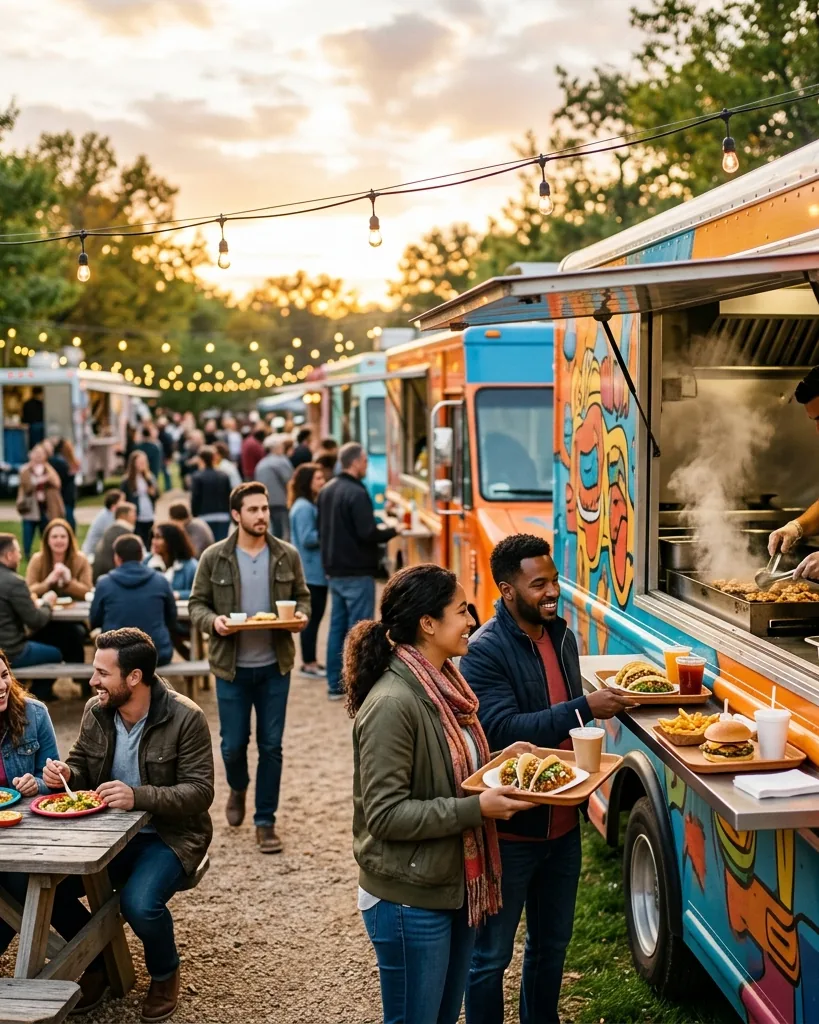
The appeal is community as much as convenience. A good park feels like an outdoor food hall, where a group can split up to order from different trucks and still eat together at one table. Many parks lean into that by adding live music, a beer-and-cocktail bar, and dog-friendly, family-friendly space, turning a quick meal into an evening out.
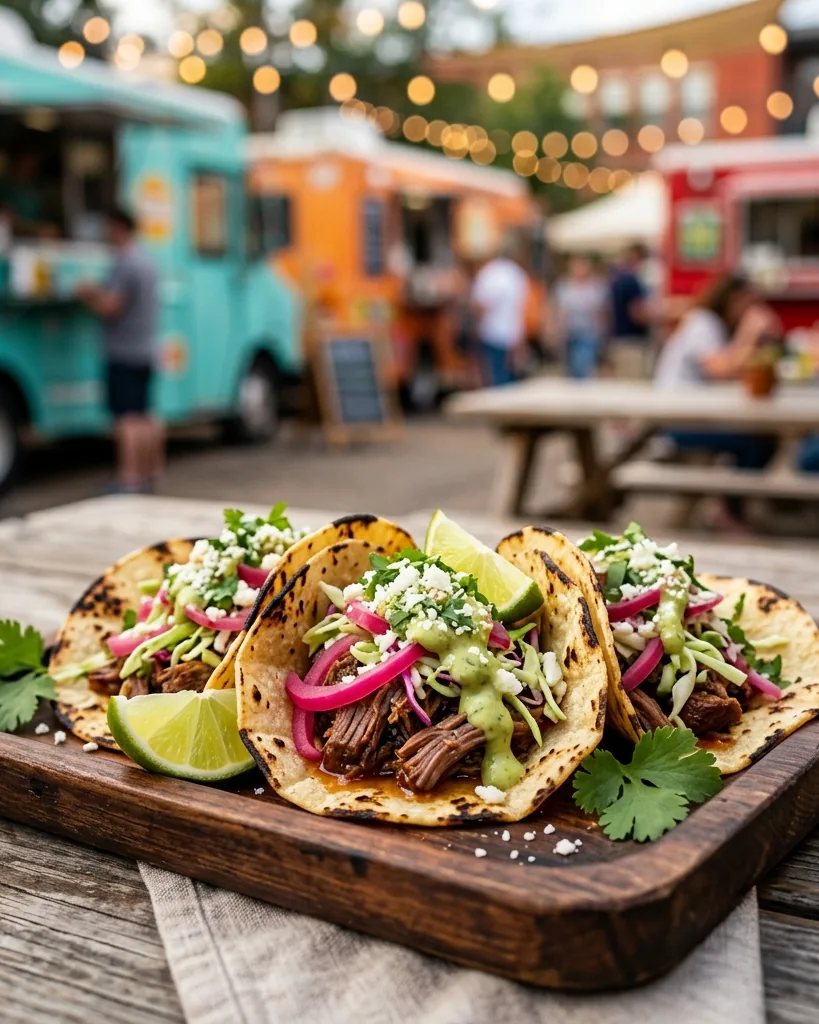
How a Food Truck Park Works
Behind the casual atmosphere is a real operation. An operator secures a piece of land, either leasing or buying it, then works through zoning and permits to make sure the site allows mobile food service along with pedestrian flow and parking. Once the location is locked in, the operator builds the infrastructure that trucks and customers need.
That infrastructure is the heart of the park. It typically includes utility hookups for water and electricity, drainage and waste disposal, restrooms, seating and shade, lighting, and security. With those in place, the operator rents spaces, often called pads, to individual food trucks, and provides the shared facilities so each vendor can focus on cooking rather than logistics. The trucks bring the food and the following; the park brings the place and the crowd.
The Food Truck Park Business Model
For the operator, a food truck park is a real estate and hospitality business rolled into one, and the best ones earn from several streams rather than just rent. The common revenue sources include:
- Vendor pad fees: The core income, charged daily, monthly, or as a membership, for the right to park and sell.
- Beverage sales: An on-site bar or beverage station is often the single highest-margin part of the business, since drinks are cheap to serve and easy to upsell.
- Event rentals: Renting the space for private parties, corporate events, and weddings adds bookings on slower days.
- Entertainment and concessions: Live music draws crowds, and some operators run their own concession stand alongside the trucks.
Many operators stabilize their income with a subscription or membership model, encouraging vendors to commit monthly, quarterly, or annually for predictable cash flow. The upfront investment is significant: industry estimates put the site infrastructure for a built-out park around $553,000 for utilities, amenities, and improvements. But the model can be lucrative, with well-run parks reaching profit margins near 43% once the vendor mix and events are dialed in. For anyone serious about the numbers, our food truck business plan guide covers how to model costs and revenue.
What It Costs a Vendor to Park
If you own a truck, the question is what a spot will cost and whether it pays off. Pad fees vary widely by park and city, but common structures look like this:
- Daily rate: Roughly $25 to $75 per day for a casual or rotating spot.
- Monthly rate: Often $500 to $2,000 per month for a regular, reserved space.
- Percentage of sales: Some parks take a cut of revenue instead of, or on top of, a flat fee.
In exchange, you get built-in foot traffic, utility hookups, customer amenities, and freedom from constantly chasing events and permits for new locations. For many operators, the trade is worth it: a reliable lunch and dinner crowd at a known address can outperform a week of hunting for street corners. The key is choosing a park whose customer base matches your food and whose fee structure leaves you a healthy margin.
Amenities That Make a Park Thrive
The difference between a parking lot with trucks and a destination people return to comes down to amenities. The strongest parks invest in the experience around the food:
- Ample covered or shaded seating and plenty of picnic tables
- Clean, well-maintained restrooms
- A bar serving beer, cocktails, and non-alcoholic options
- Live music or a stage for events
- Family-friendly and dog-friendly space
- Good lighting, parking, and a sense of safety after dark
Nashville’s Music City Food Truck Park, which opened in 2019, shows the formula in action, pairing its trucks with live music, a large deck, and more than 70 picnic tables so crowds have room to gather. The food draws people in, but the amenities are what keep them lingering and spending.
Popular Food Truck Parks Across the US
Food truck parks have become fixtures in many American cities, each with its own character. A few of the best known include:
- Portland, Oregon: Cartlandia is among the city’s most popular pods, with around 30 trucks and carts serving globally inspired food from Thai and Korean to Puerto Rican and Arabic.
- Austin, Texas: The Picnic gathers about a dozen trucks near Barton Springs, a roughly 10-minute walk from Zilker Park.
- San Francisco, California: Spark Social and SoMa StrEat Food Park turn gatherings of trucks into lively, community-driven food gatherings.
- Houston, Texas: Recurring gatherings like Food Truck Fridays at Axelrad and the HTX Market create a lively street-food scene.
- Nashville, Tennessee: The Music City Food Truck Park blends trucks with live music and a big outdoor deck.
These parks show how flexible the concept is, working as everything from a casual lunch spot to a weekend social hub. If you enjoy the energy of trucks gathered in one place, our look at the food truck festival scene covers the event side of the same idea.
Permits and Health Requirements
A food truck park sits at the intersection of two sets of rules: those for the park itself and those for each truck. The park needs the right zoning, business licensing, and often approval for its utilities and structures, which is where working with your local government early pays off. Each individual truck, meanwhile, must carry its own health permit and pass inspections, and in many areas operate out of a licensed commissary kitchen.
Mobile food safety is governed by the FDA Food Code, which state and local health departments adopt and enforce, so the specifics vary by jurisdiction. Anyone opening a park or parking a truck at one should confirm the local requirements with their health department and city before committing. The U.S. Small Business Administration is a useful starting point for the licensing, insurance, and registration side of any food business.
Thinking of Starting a Food Truck Park?
Building a park is a bigger undertaking than launching a single truck, but the path is clear. Start by researching local demand and scouting a location with visibility, parking, and the right zoning. Secure and permit the land, then budget carefully for the infrastructure, which is the largest cost. Recruit a diverse, complementary vendor mix so customers always have variety, and plan marketing and events to build a following from day one. A solid written plan ties it together; the SBA’s guide to writing a business plan is a practical place to organize the financials and operations before you invest.
Food Truck Park vs Festival vs Brick-and-Mortar
It helps to see where a park fits among the options a truck owner has for selling. Each model trades flexibility for stability in a different way.
| Model | What it offers | Best for |
|---|---|---|
| Food truck park | Permanent spot, steady traffic, shared amenities | Trucks wanting a reliable home base |
| Festivals and events | Big one-day crowds, higher single-day sales, more travel | Trucks chasing volume and exposure |
| Street and roaming | Maximum flexibility, but constant location hunting | New trucks testing markets |
| Brick-and-mortar | Most stability, highest overhead and commitment | Proven concepts ready to expand |
A park sits comfortably in the middle, offering more stability than roaming the streets without the overhead of a permanent restaurant. Many successful operators use a park as their anchor and add festivals on weekends, blending steady weekday income with the bigger paydays of special events. Thinking about where your concept fits on this spectrum is one of the most useful exercises before you commit to any single approach.
How to Choose the Right Park for Your Truck
Not every park is a good fit for every truck, and picking the wrong one can cost you a season. Before signing on, weigh these factors carefully:
- Location and foot traffic: Visit at the hours you would serve and count the crowd. A cheap pad in a dead location is no bargain.
- Vendor mix: Look for a lineup that complements rather than duplicates your menu. Being the only taco truck beats being the fourth.
- Fee structure: Run the math on daily, monthly, or percentage fees against your realistic sales, and make sure a healthy margin remains.
- Amenities and reputation: Strong seating, clean restrooms, and a park with a loyal following will draw the customers you depend on.
- Lease terms: Understand the commitment, the exclusivity rules, and what happens if the park underperforms.
The best approach is to treat a park like a business partnership, because that is what it is. Talk to vendors already parked there about their experience, and you will learn more than any brochure can tell you.
Challenges Operators Face
Running a park is rewarding, but it comes with real hurdles that anyone considering the business should respect. Weather is the constant variable, since an outdoor concept lives and dies by the seasons and the forecast, which is why covered seating and indoor options matter so much. Vendor turnover is another, as trucks come and go and an operator must keep the lineup full and appealing. Neighbor relations and noise, especially with live music and late hours, require active management and goodwill with the surrounding community.
And the upfront capital, often in the hundreds of thousands of dollars for a fully built site, means the business needs careful financial planning and patience before it turns a steady profit. None of these are dealbreakers, but they explain why the most successful parks are run by operators who treat hospitality, not just rent collection, as the core of the job. The operators who plan for slow seasons, build a loyal vendor community, and keep reinvesting in the experience are the ones whose parks become neighborhood institutions rather than short-lived experiments.
Making the Most of a Visit as a Diner
If you are visiting rather than vending, a food truck park rewards a little strategy. Go hungry and bring friends, because the whole point is to sample across several trucks rather than commit to one. Split orders so your group can taste more, check whether the park is cash-only or card-friendly before you arrive, and look up the vendor lineup online, since it often rotates by day.
Many parks are at their best in the evening when the bar is open and music is playing, so timing your visit can turn a quick meal into a full night out. Arriving with an open mind is half the fun, since the rotating cast of trucks means there is almost always something new to try.
Frequently Asked Questions
What is a food truck park?
A food truck park is a permanent, organized space that hosts a cluster of food trucks and carts in one location, with shared amenities like seating, restrooms, and often a bar or stage. It gives diners variety in one stop and gives truck owners steady foot traffic and ready-made infrastructure.
How much does it cost to park a food truck at a park?
Pad fees vary by park and city. Common structures include roughly $25 to $75 per day for a casual spot, $500 to $2,000 per month for a reserved space, or a percentage of your sales. In return you get foot traffic, utility hookups, and customer amenities, which often outweigh the cost of chasing events on your own.
Are food truck parks profitable for the operator?
They can be. Operators earn from vendor pad fees, beverage and bar sales, event rentals, and entertainment, and well-run parks can reach profit margins near 43%. The upfront infrastructure cost is significant, often hundreds of thousands of dollars, so success depends on location, a strong vendor mix, and additional revenue streams beyond rent.
Do food trucks in a park need their own permits?
Yes. Each truck must carry its own health permit and pass inspections, and often operate from a licensed commissary, while the park itself needs proper zoning and business licensing. Mobile food safety follows the FDA Food Code as adopted by your local health department, so requirements vary by city and state.
What makes a food truck park successful?
A successful park combines a good location, a diverse and reliable vendor mix, and strong amenities such as ample seating, clean restrooms, a bar, live music, and a family- and dog-friendly atmosphere. The food draws people in, but the experience and the sense of community are what keep them coming back and spending.
Is a food truck park a good place to start a new truck?
It can be an excellent home base for a new truck, because it provides steady foot traffic, utilities, and amenities without the cost of a brick-and-mortar lease. The key is choosing a park whose customers match your food and whose fees leave you a healthy margin. Many new operators anchor at a park during the week and add festivals or events on weekends to build their following faster.
The Bottom Line
A food truck park brings trucks, diners, and amenities together in one permanent spot, creating an outdoor food hall that benefits everyone involved. Diners get variety and atmosphere, vendors get reliable traffic and infrastructure for a pad fee of roughly $25 to $75 a day or $500 to $2,000 a month, and operators build a multi-stream business from rent, drinks, and events. Whether you are planning a night out, looking for a home base for your truck, or weighing the big investment of building a park yourself, the model rewards the same things every time: a good location, a strong vendor mix, and an experience worth returning to. Get those right, and a food truck park becomes far more than a place to eat.