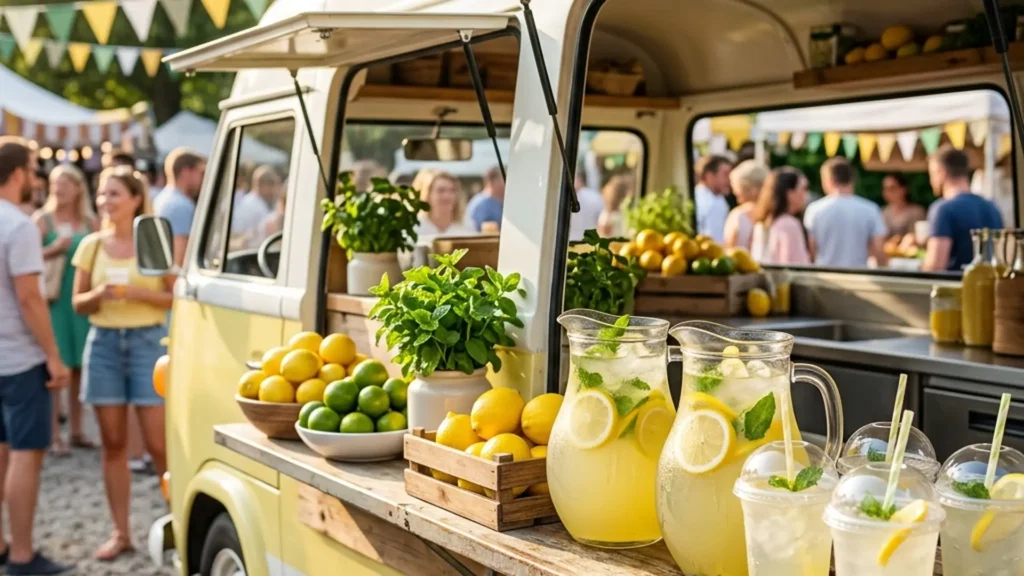
Lemonade food truck math is the dirty secret of the street-food world, and once you see the numbers you will understand why every festival has a line snaking out of one. A lemonade food truck runs a food cost most cooks would kill for, often single digits to low teens as a percentage, because a cup of fresh lemonade is lemons, sugar, water, and ice, sold for four or five dollars on a hot day to people who are not counting. I cook for a living and I will tell you straight: I make better margin on lemonade than on almost anything that touches my flat-top. The catch, and there is always a catch, is that the search results for this are nothing but marketing pages for trucks that already exist. Nobody tells you how to actually build and run one. So here is the operator guide that does not exist anywhere else.
This is also one of the easiest food trucks to start, which is the other reason it is worth your attention. There is no fryer to maintain, no hood suppression system to certify, no overnight braise, no twelve proteins to prep. It is a cold operation built around juicing, mixing, and ice, which means a lighter build, a smaller generator, simpler permits in many places, and a lower startup cost than a full cook truck. If you want into this business without a six-figure loan and a culinary resume, lemonade is one of the smartest doors in. Let us walk through the margins, the setup, the menu, and where to park it.
The Margin Case: Why Lemonade Prints Money
Let me put real numbers on the thing that makes this concept special. A 16-ounce cup of fresh-squeezed lemonade costs you, in ingredients, somewhere around 40 to 70 cents: a few lemons, an ounce or two of simple syrup, water, ice, and the cup itself. You sell it for $4 to $6. That is a food cost in the 8 to 15 percent range, which is better than soft serve, better than tacos, better than nearly anything else on a midway. On a hot day the demand is nearly unlimited, because thirst does not need convincing.
| Item | Cost | Price | Food cost % | Profit/cup |
|---|---|---|---|---|
| Fresh lemonade 16 oz | $0.55 | $5.00 | 11% | $4.45 |
| Flavored lemonade | $0.75 | $6.00 | 13% | $5.25 |
| Lemonade slushie | $0.85 | $7.00 | 12% | $6.15 |
| Souvenir cup refill | $0.45 | $8.00 (first) | 6% | $7.55 |
Look at the souvenir cup line. A big branded cup that the customer keeps and refills at a discount is the move every smart lemonade truck runs, because the first sale is a premium price for a cheap cup, and the refills cost you almost nothing while feeling like a deal. That single upsell can lift your per-customer revenue more than any flavor you add. The whole concept is a margin machine; your job is just to serve it fast enough to capture the demand.
The Setup: Lighter and Cheaper Than a Cook Truck
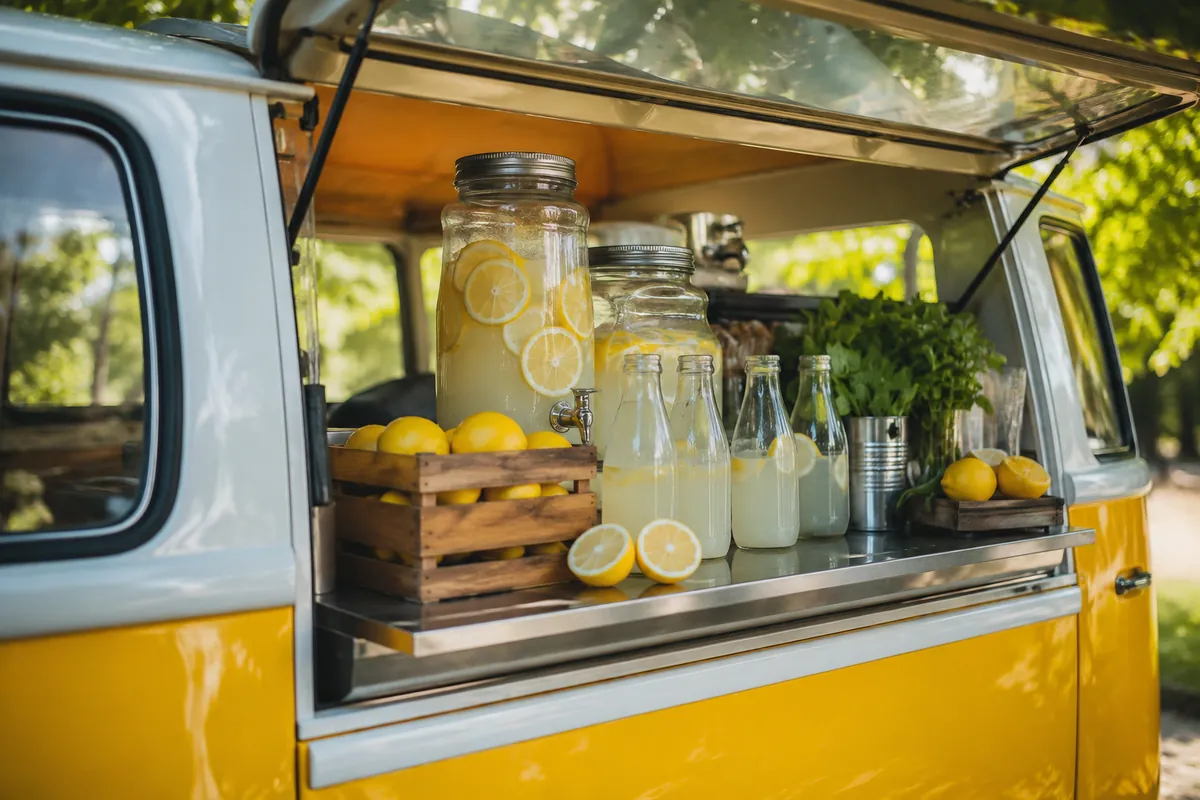
Here is where lemonade beats a hot-food truck on difficulty and cost. You are running a cold operation, so the build is dramatically simpler. No fryer, no flat-top, no hood, no fire suppression to certify, which alone removes a big chunk of build cost and permit headache. What you actually need is focused and modest.
A commercial citrus juicer or press is the heart of the operation. Hand-squeezing at volume will destroy you during a rush, so invest in a real electric juicer that can keep up. You need cold storage for lemons and prepped syrup, a few clear dispensers or a batch system so the product looks fresh and fast, and serious ice capacity, because ice is the hidden bottleneck at a hot festival. Run out of ice and you are done for the day. Many lemonade operators carry a dedicated ice cooler or a cube machine and still buy bags as backup.
Power draw is light compared to a cook truck. A juicer, refrigeration, and a slushie machine if you run one will pull far less than a fryer-and-flat-top setup, so a smaller generator carries you, which is cheaper to buy and to fuel. The lighter footprint also means you can run out of a smaller trailer, a tent setup at a market, or a compact truck, and many successful operators run all three depending on the event. The workflow still matters, where the juicer sits, how cups flow to the window, how you keep the line moving, which is the same layout thinking we get into in our food truck design guide, just applied to a cold station instead of a hot one.
Fresh-Squeezed vs Concentrate: The Decision That Defines You
This is the fork in the road, and it shapes everything from your cost to your line to your brand. Fresh-squeezed is your differentiator. People can buy a cup of mix anywhere; they line up and pay a premium for actual lemons squeezed in front of them. The visual of fresh lemons and a press is half the sale, and the taste backs it up. The downside is labor and throughput: squeezing real lemons at festival volume is work, and it can throttle your line if you do not pre-juice and batch smartly.
Concentrate or mix is faster and even cheaper, and some high-volume operators use it to keep the line screaming. But you lose the fresh story, and in a market full of trucks the fresh story is often the whole reason a customer picks you. My honest take: go fresh, but be smart about it. Pre-juice a big batch of lemons before the rush, hold the juice cold, and mix to order from fresh juice plus syrup and water. That gives you the fresh taste and story while keeping the window fast. You squeeze ahead, you mix to order, you get both. The recipe craftsmen at America’s Test Kitchen have tested lemonade ratios and the right balance of acid to sugar, which is worth studying so your product is consistently great and not just cold.
Building the Menu: A Tight Core Plus Rotating Flavors
The temptation, and you see it on the marketing pages bragging about thirty flavors, is to offer everything. Resist it. A lemonade truck wins on a tight core plus a small rotating set of flavors, the same tight-menu discipline that makes any food truck profitable. Your core is classic lemonade and a limeade, period. Those two anchor the board and most of your volume.
Then add three or four flavor infusions that change with the season or the event: strawberry, mango, blueberry, watermelon, a mint or lavender for the craft crowd. These are just your base lemonade plus a fruit puree or flavored syrup, so each flavor costs you almost nothing extra and adds variety without adding a real prep job. Run a slushie or frozen version of the same lemonade for the hottest days, because a frozen drink commands a higher price and people want it when the sun is brutal.
Build the upsell ladder deliberately. Classic at $5, flavored at $6, slushie at $7, souvenir cup with the first fill at $8 and cheap refills after. That ladder lets a customer spend anywhere from five to eight-plus dollars at the same window, and the souvenir cup turns a one-time buyer into a repeat-all-day buyer. For flavor ideas that punch above their cost, the food writers at Bon Appetit regularly break down fruit syrups and infusions you can batch in a hotel pan and serve all weekend.
Where to Park: Events Are the Lemonade Truck’s Home
A lemonade truck lives and dies on foot traffic in the heat, which makes its ideal locations different from a lunch-route taco truck. Festivals, fairs, farmers markets, concerts, sporting events, and parades are where a lemonade operation crushes it, because you have a captive, hot, thirsty crowd with money in hand and nothing better to spend it on. A single good festival day for a lemonade truck can outearn a week of slow neighborhood stops.
That makes event booking your core business skill, not an afterthought, and the booking, fees, and logistics of working those crowds is exactly what our food truck festival guide covers in detail. Markets and HOA events are good steady fillers between the big festival paydays. The flip side is seasonality: lemonade is a hot-weather business, and in most of the country your money is made in a concentrated spring-through-early-fall window. Plan your year around that. Bank hard in summer, consider a cold-weather pivot like hot cider or a holiday market presence if your climate is mild, and treat the off-season as planning and booking time for next year. The seasonal swing is real, and the operating-plan side of managing a seasonal cash flow is the kind of thing we map out in our food truck business plan guide.
Throughput: Juicing and Ice Are Your Bottlenecks
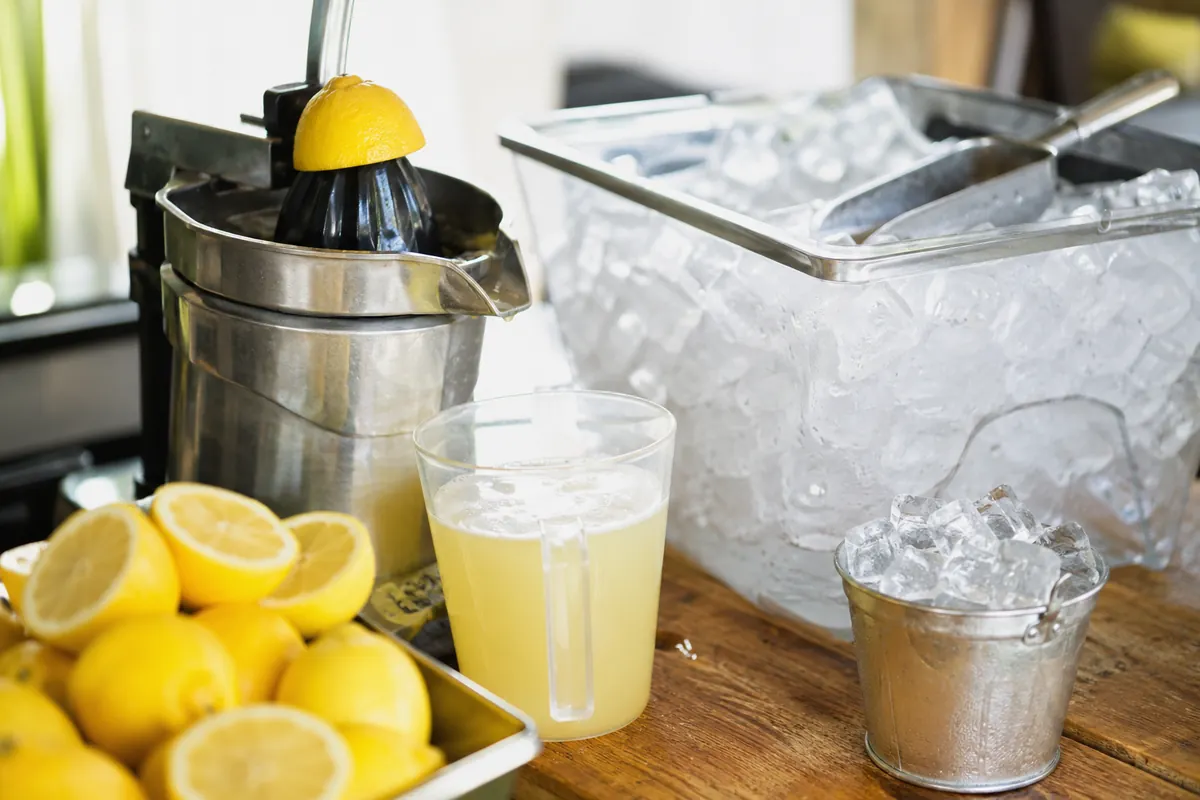
On a hot festival day your problem is never demand, it is speed, and the two things that slow a lemonade line are juicing and ice. Solve those and you can serve a huge crowd. Pre-juice before the gates open so you are mixing from a cold reserve, not squeezing one lemon per cup while forty people wait. Stage cups, lids, and straws within arm’s reach. Keep ice in constant supply, because a frozen-drink and iced-drink operation eats ice faster than any rookie expects, and an ice-out is a revenue-out.
Two people at the window beat one by far more than double, because one can mix and pour while the other handles cash and hands off. The math is simple: if each cup takes twenty seconds to pour and hand over, one person caps around 180 cups an hour, and a second pair of hands can push you well past that during the peak. On a day when the line never stops, those extra cups per hour are pure profit, because your costs are already covered by mid-morning. Design the station for speed and the margins take care of themselves.
Permits, Licensing, and the Boring Stuff That Keeps You Legal
The simpler build does not mean you skip the paperwork, and the operators who treat lemonade as a casual side hustle are the ones who get shut down at the gate. You still need a business license, a food handler or food establishment permit from your local health department, and usually a commissary or approved prep location for washing produce and storing syrup. Because you are handling fresh fruit and ice for direct consumption, health inspectors care about your water source, your hand-washing setup, and how you hold and date your prepped juice. A truck with no hand-wash sink fails an inspection fast, lemonade or not.
The good news is that a cold beverage operation usually clears these hurdles more easily than a hot kitchen, because you are not dealing with raw meat, deep fryers, or fire-suppression certification. Fewer high-risk processes means fewer ways to fail an inspection. Still, every jurisdiction is different, and events often require their own temporary food permit on top of your standing one. Build the permit timeline into your season planning so you are not scrambling the week of a big festival. Call your local health department early, ask exactly what a mobile beverage unit needs, and get it in writing.
Staffing and Scaling the Operation
You can run a small lemonade setup solo at a quiet market, but the moment you are at a busy festival, one person is leaving money on the table. Lemonade is a two-person job at volume: one mixes and pours from the pre-juiced reserve, the other works the cash, hands off cups, and keeps the souvenir-cup upsell rolling. That second person more than pays for themselves in the extra cups per hour they unlock during the peak.
Scaling up from there is easier than with a cook truck, because the product and process are simple enough to teach in an afternoon. There is no line cook to train, no complicated cook times to master, just consistent ratios and fast, friendly service. That makes it realistic to run multiple units, a truck at the big festival and a tent at a market the same weekend, once you have a reliable recipe and a couple of trained hands. Many of the most successful lemonade operators run exactly that kind of multi-unit setup during peak season, multiplying a great margin across more locations on the same hot weekend. Start with one, nail the system, then clone it.
Frequently Asked Questions
Is a lemonade food truck profitable?
Very. A cup of fresh lemonade costs roughly 40 to 70 cents in ingredients and sells for $4 to $6, a food cost in the 8 to 15 percent range that beats soft serve, tacos, and most hot food. Demand on a hot festival day is nearly unlimited, and upsells like flavored versions, slushies, and refillable souvenir cups push the per-customer revenue even higher. The margins are among the best in street food.
How much does it cost to start a lemonade food truck?
Less than a hot-food truck, because it is a cold operation with no fryer, flat-top, hood, or fire-suppression system to build and certify. Your main costs are the vehicle or trailer, a commercial citrus juicer, cold storage, dispensers, ice capacity, a modest generator, and permits. The simpler build and lighter power draw make lemonade one of the lower-cost ways into the food-truck business.
Should I use fresh-squeezed lemons or concentrate?
Go fresh-squeezed for the brand and taste, since fresh is your whole differentiator in a crowded market, but be smart about throughput. Pre-juice a large batch before the rush, hold the juice cold, and mix to order from fresh juice plus simple syrup and water. That gives you the fresh story and flavor while keeping the line fast. Concentrate is cheaper and faster but loses the fresh appeal customers pay a premium for.
What should be on a lemonade truck menu?
Keep it tight: classic lemonade and limeade as your core, plus three or four rotating fruit flavors like strawberry, mango, or watermelon that are just the base plus a puree or syrup. Add a frozen slushie version for hot days and a refillable souvenir cup as your top upsell. A short menu built from shared ingredients keeps prep simple and the window fast while still offering plenty of choice.
Where do lemonade food trucks make the most money?
At events with hot, captive crowds: festivals, fairs, farmers markets, concerts, sporting events, and parades. A single strong festival day can outearn a week of slow neighborhood stops, so event booking is your core business skill. Markets and community events make good steady fillers between big festival paydays. Foot traffic in the heat is what drives a lemonade truck’s revenue.
Is a lemonade truck a seasonal business?
Mostly, yes. Lemonade is a hot-weather product, so in most of the country the money is made in a concentrated spring-through-early-fall window. Plan your year around that swing: bank hard in summer, treat the off-season as booking and planning time, and consider a cold-weather pivot like hot cider or a holiday market if your climate allows. Managing the seasonal cash flow is a key part of the business plan.
Bottom Line
A lemonade food truck is one of the highest-margin, lowest-barrier ways into street food, and the fact that nobody has written the real operator guide just means the opportunity is sitting there. The numbers are exceptional because the product is cheap to make and easy to sell to a hot crowd, the build is lighter and cheaper than a cook truck, and the upsell ladder from classic to flavored to slushie to souvenir cup quietly multiplies your ticket. Go fresh-squeezed for the brand, keep the menu tight, master event booking because that is where your crowd lives, and design your station so juicing and ice never choke the line. Do that and you will be the truck with the longest line and the fattest margin at every festival you work. Cheap to make, easy to sell, and almost pure profit once the costs are covered. That is the lemonade business.