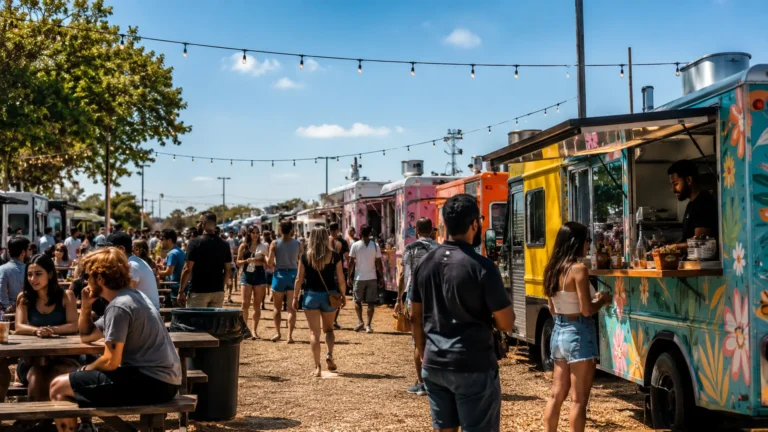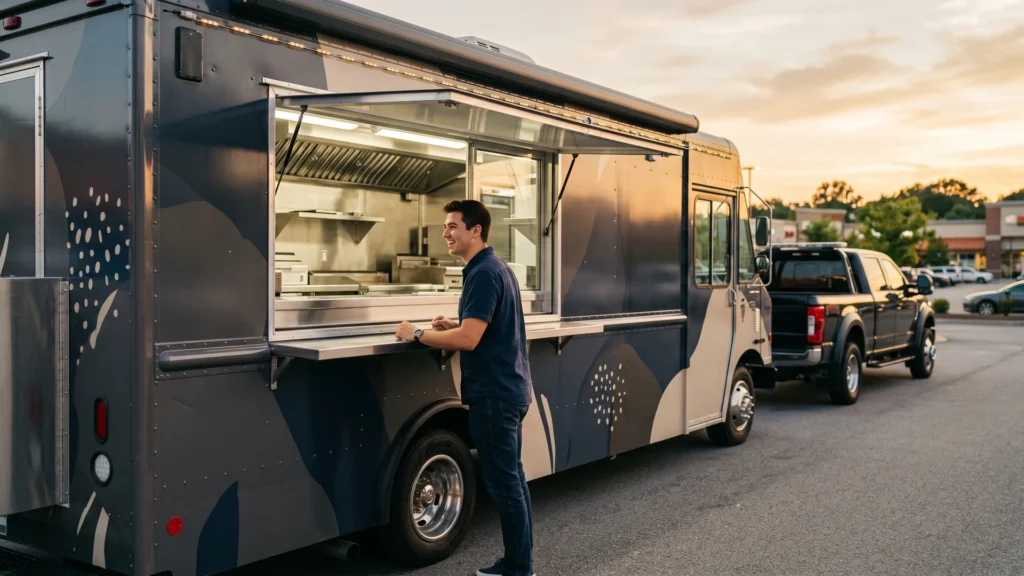
When someone searches for a food truck for rent, they are usually one of two people, and they want very different things. One is an aspiring owner who wants to test the lifestyle before sinking six figures into a rig. The other is planning an event, a wedding, or a company lunch and wants a truck to roll up, feed a crowd, and leave. Both are valid. The trouble is that almost every page online answers one and ignores the other, or worse, answers neither and just lists trucks with no prices. I have rented, leased, and owned, and I am going to walk you through what renting actually costs, what is and is not included, and how to decide whether renting beats buying for your situation.
I will be honest about numbers the way the sales pages are not. Every figure here is a typical market range drawn from what operators and rental fleets commonly report. None of it is a quote. Your city, the truck size, the season, and the wrap on the side all move these numbers, sometimes a lot. Treat this as a map, not a price tag.
First, decide which kind of renter you are
Before you call a single rental company, get clear on your goal, because it changes everything that follows. If you are renting to run a business, even for a few months, you are signing up for permits, a commissary, insurance, and a schedule. The truck is just one piece. If you are renting for a single event, you are really buying a catering service, and the truck, the staff, and the food usually come as a package you do not have to think much about.
These two paths share a search term and almost nothing else. The business renter cares about monthly lease rates, what the kitchen can produce, and whether the rental can convert to ownership later. The event renter cares about headcount, menu, lead time, and a flat price for the night. Read the section that matches you and skim the other, because plenty of people start as an event host and catch the bug.
Renting a food truck to test or run a business
This is the smart, underused move for anyone who is not yet sure they want to own. A new build can run well into six figures, and a used truck still ties up real money before you have served a single customer. Renting lets you find out whether you actually like the work, whether your concept sells, and whether your city’s permit maze is survivable, all without buying the rig. I tell first-timers to lease for a season before they ever shop for a truck to own.
Most business rentals are structured as monthly leases. A standard working truck commonly runs somewhere between two thousand and three thousand dollars a month, with the broad market stretching from around one thousand for a small, lightly equipped unit to five thousand or more for a large, heavily built truck in an expensive city. The spread comes down to size, the equipment inside, the local market, and how long you commit. Longer terms usually mean a lower monthly rate.
The monthly number is only the start. A lease almost always requires a security deposit, often one to three months of rent held up front. On a three thousand dollar truck that is three to nine thousand dollars you need in hand before you open the window. You will also carry your own insurance, since the rental company is not going to absorb your liability, and they will frequently require proof of it as a condition of the lease.
| Rental type | Typical cost | Best for |
|---|---|---|
| Daily / event rental | $500 – $5,000 per day | Weddings, parties, corporate and branded events |
| Weekly rental | Several hundred to low thousands per week | Festivals, pop-up runs, short market tests |
| Monthly lease | $1,000 – $5,000+ per month | Testing a concept or running a seasonal business |
| Rent-to-own | Monthly payment with buyout | Path to ownership without full upfront cost |
What is included varies wildly from one fleet to the next, and this is where you read the contract slowly. A good rental hands you a truck that is fully functional, registered with the DMV, and carrying current local health permits, so you can legally operate from day one. A weaker deal hands you keys and a list of problems. Before you sign, get in writing exactly what the lease covers: the kitchen build, vehicle registration, health permits, who handles maintenance and breakdowns, and whether the wrap or branding is included or an extra fee.
Watch for the costs that hide between the lines. Wrap and signage changes, cleaning fees, mileage limits, generator and propane, and maintenance responsibility are all places where a cheap-looking monthly rate gets expensive. Ask who you call at ten at night when the refrigeration quits during a heat wave, because that answer is worth more than a hundred dollars off the rate. Renting only saves you money if the truck actually runs.
The permit and commissary side renters forget
Here is the part that surprises people who think renting means someone else handles the paperwork. In most jurisdictions, you, the operator, still need your own permits to sell food, even from a truck you do not own. A mobile food vendor permit, a health department permit, and a commissary agreement are typically tied to the operator and the operation, not just the vehicle. A reputable rental keeps the truck itself permitted and inspectable, but the right to vend is usually still on you.
Plan for this from the first phone call. Ask the rental company precisely which permits travel with the truck and which you must obtain yourself. The U.S. Small Business Administration keeps a plain overview of how to apply for licenses and permits that is a good orientation before you call your city. You will also register the business and get a federal tax ID, which you can do directly through the IRS guide to getting an EIN. If you are renting to actually build a business, treat the lease as one line in a much bigger plan, and start with the fundamentals over on the starting and running a food truck hub before you commit.
The commissary requirement catches the most people. Many cities will not issue a mobile food permit at all unless you can show a contract with a licensed commercial kitchen where you prep, store food, fill fresh water, and dump waste. That is a fixed monthly cost, commonly a few hundred to over a thousand dollars, that has nothing to do with your truck rental and everything to do with being allowed to operate. Budget for it from day one or the rental does you no good.
Renting a food truck for an event or party

If you just want a truck at your wedding, block party, or company appreciation lunch, this is a much simpler transaction. You are not leasing a kitchen, you are hiring a caterer who happens to arrive in one. The operator brings the truck, the staff, the food, and usually the permits and insurance for that specific gig. You give them a headcount, a menu, a date, and a location, and they give you a price.
Event pricing is typically built around your guest count rather than a flat truck fee. Many operators set a per-person rate plus a minimum, so a small backyard party and a three-hundred-guest festival are priced very differently. Daily and event rentals commonly land anywhere from several hundred dollars for a modest gathering to several thousand for a large, premium, or branded event. In expensive metros, a full-service truck for an event can run from around fifteen hundred to five thousand dollars or more depending on hours, menu, and staffing.
Lead time is the variable people underestimate. Good trucks book out weeks or months ahead, especially in summer and around holidays, so the worst time to start looking is the week of your event. Reach out early, lock the date with a deposit, and confirm in writing what the price covers: how many guests, how many service hours, which menu items, travel to your location, and whether tax and gratuity are included. A clear quote up front prevents the awkward conversation at the curb. If you are weighing a truck against a traditional caterer, it helps to understand how mobile operators price and staff a gig, which is covered across the food truck catering and events hub.
One more thing the event renter should know: a single truck has a throughput ceiling. A good operation serves a few hundred people over a couple of hours, but if your headcount climbs past what one window can handle, the line becomes the story of your event instead of the food. Ask the operator how many guests they can comfortably serve per hour and match that to your schedule. For a large party, that might mean a longer service window, a second truck, or a simplified menu that moves faster, and a seasoned operator will tell you honestly which one your event needs.
| Ask before you book an event truck | Why it matters |
|---|---|
| Per-person price and minimum | Tells you the real cost for your actual headcount |
| Service hours included | Overage fees add up fast past the agreed window |
| Menu and dietary options | Confirms vegetarian, vegan, and allergy needs are covered |
| Travel and setup fees | Distance and parking access can change the quote |
| Permits and insurance | Reputable operators carry both for the event |
Think about the food, not just the truck, when you compare quotes. A truck that nails one cuisine beats a jack-of-all-trades every time, and the best events pair the main truck with a couple of easy crowd-pleasers. If you are rounding out a spread, a tray of crowd-friendly dip recipes covers the grazers while the line moves, and a simple no-bake cookie dessert table handles the sweet finish without needing the truck to run a fryer for dessert. Those small additions cost little and make a single truck feel like a full catering operation.
Rent or buy: doing the honest math
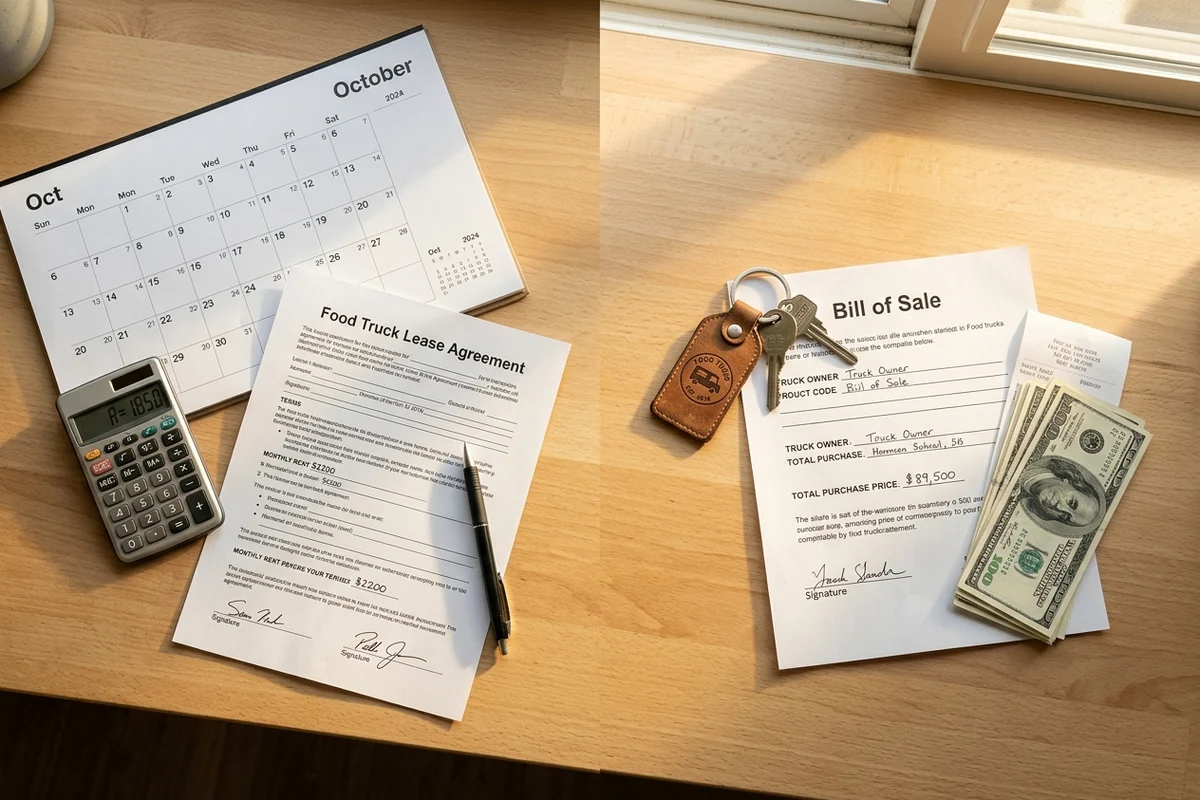
This is the decision most articles dodge, so let me do the arithmetic. Renting wins when you value flexibility and want to limit risk. There is no large upfront purchase, no maintenance and depreciation hanging over you, and you can walk away at the end of the term. For testing a concept, running a seasonal operation, or covering a one-off event, renting is almost always the right call. You are paying for the option to change your mind.
Buying wins when you are committed and plan to run the truck for years. Every lease payment buys you nothing but time on someone else’s asset, while a purchase builds equity in your own. The crossover is simpler than it looks. At roughly twenty-five hundred dollars a month, two years of leasing runs around sixty thousand dollars, which is squarely in used-truck territory. If you know you will still be doing this in two years, leasing past that point usually costs more than owning.
| Factor | Renting / leasing | Buying |
|---|---|---|
| Upfront cost | Deposit plus first month | $30,000 – $200,000 |
| Commitment | Low, walk away at term end | High, you own the asset |
| Maintenance burden | Often shared or on the fleet | Entirely on you |
| Builds equity | No | Yes |
| Best for | Testing, seasonal, events | Long-term committed owners |
Rent-to-own sits in the middle and deserves a clear-eyed look. Some fleets let your monthly payments build toward a buyout, which can be a sane bridge if you are fairly sure you want to own but cannot front the full purchase. Read those contracts with extra care, because the total you pay over a rent-to-own term can exceed buying a used truck outright. Ask for the all-in number, not just the monthly, before you decide it is a deal.
How to find a food truck to rent
You have more options than the first sales page suggests. National marketplaces like Roaming Hunger list trucks across the country and are free to inquire through. Regional rental fleets operate in most large metros, and they tend to keep their units permitted and ready. Some companies specialize in rent-to-own or long-term leases aimed at new operators. And you can always go direct to an owner who is not using their truck on certain days, which can be the cheapest route if you trust the relationship.
Whichever route you take, inspect before you commit. Look at the kitchen build against what your menu actually needs, confirm the generator and water capacity will get you through a full service, and verify the health permits are current. A truck that looks great in photos but cannot pass your local inspection is not a rental, it is a liability with tires. The same care you would put into buying belongs in renting, because for the length of the term, that truck is your whole business.
Frequently Asked Questions
How much does it cost to rent a food truck?
It depends entirely on whether you are leasing for a business or hiring for an event. Monthly business leases commonly run one thousand to five thousand dollars or more, with a typical working truck around two to three thousand a month plus a deposit. Event and daily rentals usually price by guest count and often land from several hundred dollars for a small party to several thousand for a large or premium event. All of these are ranges, not quotes, so get real numbers from local fleets.
What is included when you rent a food truck?
It varies by company, so read the contract. A good rental gives you a fully functional truck that is DMV registered and carrying current health permits. Weaker deals hand over keys and little else. Confirm in writing whether the kitchen build, vehicle registration, health permits, maintenance, breakdown support, and wrap or branding are covered, and watch for extras like cleaning fees, mileage limits, generator, and propane.
Do I still need permits if I rent a food truck?
Usually yes. In most jurisdictions the right to vend food is tied to the operator, not just the vehicle, so you typically need your own mobile food vendor permit, a health department permit, and a commissary agreement even on a rented truck. The rental company keeps the truck itself permitted and inspectable, but the operating permits are generally on you. Ask exactly which permits travel with the truck before you sign.
Is it better to rent or buy a food truck?
Rent when you want flexibility or are testing a concept, running a season, or covering a one-off event, since there is no large purchase and no maintenance or depreciation burden. Buy when you are committed for the long term and want to build equity. The rough crossover is around two years: at about twenty-five hundred dollars a month, two years of leasing approaches the cost of a used truck, so committed owners usually save by buying past that point.