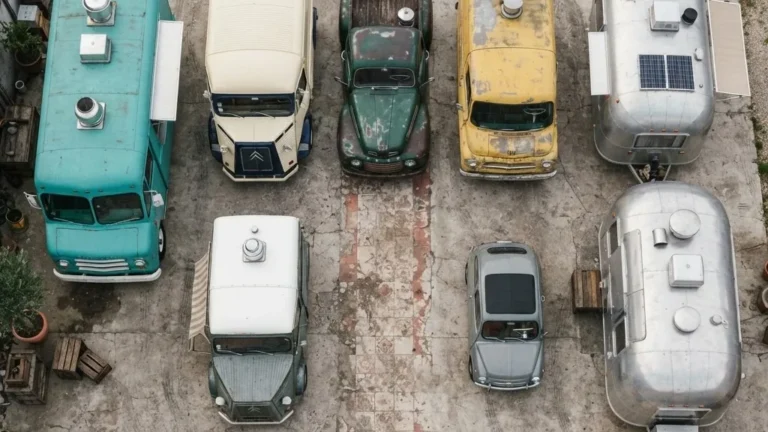
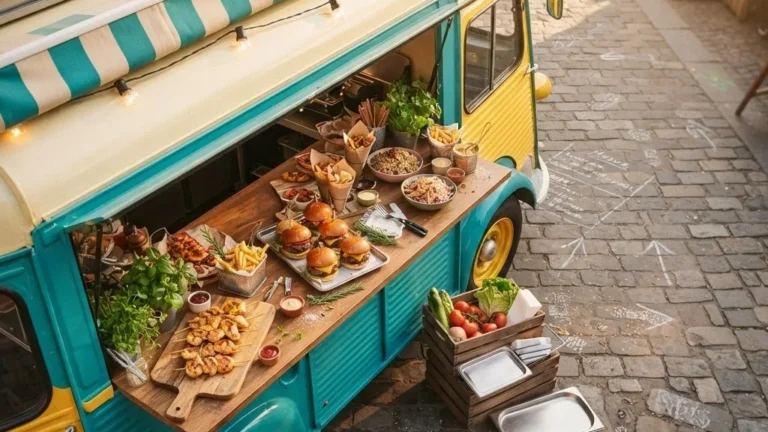
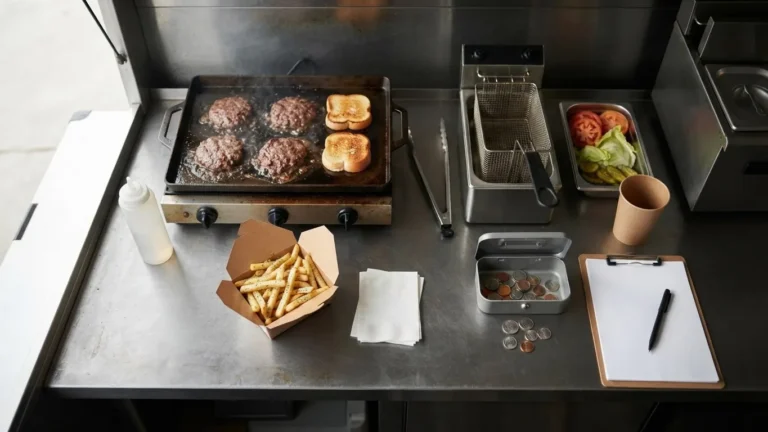
The decision to buy pizza truck equipment is exciting, but doing it without overpaying, inheriting someone else’s problems, or choosing the wrong oven takes a little homework. A used pizza truck can start around $75,000, while a fully custom build can climb past $220,000, and the single biggest choice you will make, the oven, affects your price, your menu, and even where you are allowed to park. This guide breaks down what a pizza truck really costs, how to choose between wood-fired, gas, and electric ovens, exactly what to inspect before you hand over any money, and the permits you will need to operate.
Get these decisions right before you buy, and your first season is about making great pizza rather than fixing an expensive mistake on wheels.
How Much Does a Pizza Truck Cost?
Pizza trucks span a wide price range depending on whether you buy used or new and whether you want a self-propelled truck or a towable trailer. Here are the realistic brackets for 2025.
| Option | Typical price | Notes |
|---|---|---|
| Used pizza truck (higher mileage) | Starts around $75,000 | Fastest, cheapest entry; inspect carefully |
| Used truck in good condition | $50,000 to $120,000 | Varies by equipment and oven type |
| Custom new build | $220,000 to $300,000 or more | Exact layout, warranty, build wait time |
| Pizza trailer (used) | $30,000 to $90,000 | Cheaper than a self-propelled truck; needs a tow vehicle |
Beyond the purchase price, budget for the costs that catch first-time buyers off guard: permits and inspections, a commissary kitchen if your area requires one, insurance, your initial food inventory, and a generator if the unit does not include one. A realistic budget builds in a cushion above the sticker price so you are ready to actually open for business, not just to own a truck.
The Most Important Choice: Your Oven
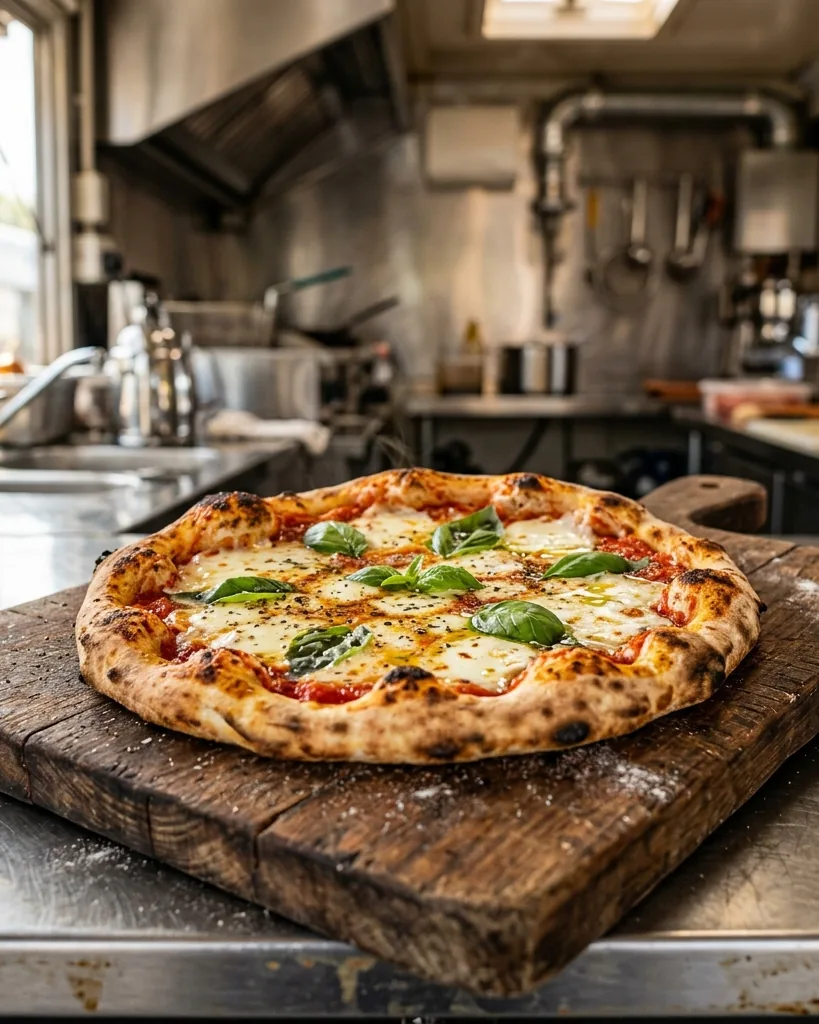
More than any other piece of equipment, the oven defines a pizza truck. It shapes your product, your speed, the weight of your build, and even where you can legally cook. There are three main types, and each has clear trade-offs.
Wood-fired ovens
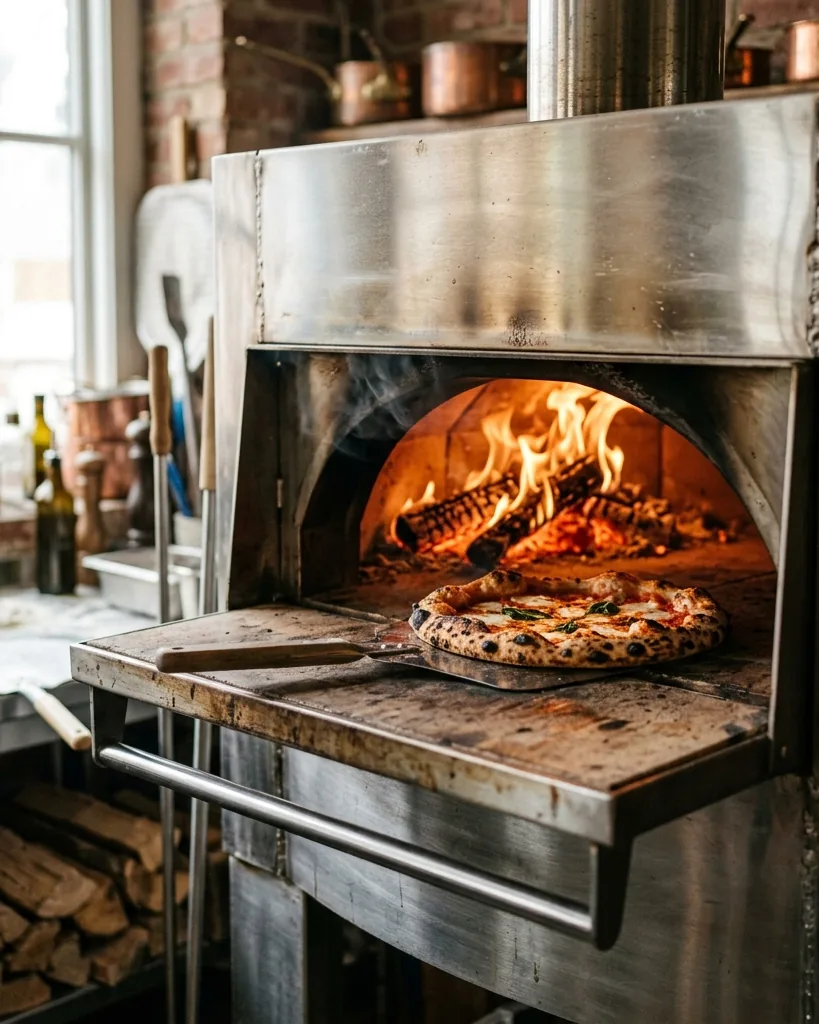
The romantic choice, a wood-fired oven reaches blistering temperatures around 800 F or higher and bakes a Neapolitan-style pizza in as little as 90 seconds. The flavor and the show are hard to beat. The downsides are real, though: those cast brick-and-concrete ovens are by far the heaviest option, which can push your build over your trailer’s tow rating or your driver’s license weight limit. An open flame is also restricted at many corporate and industrial sites, which can close off lucrative catering gigs.
Gas-fired brick ovens
A common misconception is that any brick oven is wood-fired. In fact, a brick oven can run on gas, giving you the look and much of the performance of wood without the open wood fire. Gas brick ovens are easier to control, lighter, and face fewer fire restrictions, making them a popular middle ground for trucks that want quality and flexibility.
Electric deck and conveyor ovens
Electric ovens are the most consistent and the easiest to operate, and they are lighter than a cast wood-fired oven. The trade-off is power: they need a strong electrical supply, whether a robust generator or shore power, and they lack the theater of live fire. For high-volume operations that prize consistency and speed over spectacle, an electric oven is often the smart pick.
New Versus Used: Which Should You Buy?
Both paths can work, and the right one depends on your budget, your timeline, and your appetite for risk.
Buying used is cheaper and faster. You can be on the road in weeks rather than months, and a well-maintained used truck can serve you for years. The catch is that you inherit whatever the previous owner did or did not maintain, so inspection is everything. Buying new or custom-built costs far more and involves a build wait, but you get exactly the layout you want, modern equipment, and a warranty. For a first-time owner watching cash flow, a carefully inspected used truck is usually the sensible start; for an established operator who knows precisely what they need, a custom build can be worth the premium.
The Used Pizza Truck Inspection Checklist
If you buy used, never skip a thorough inspection, and always bring in an independent mechanic and an equipment professional before you pay. Go through this checklist:
- Engine and transmission: Check condition, mileage, and service records, and have a mechanic inspect the drivetrain.
- Cooking equipment: Confirm the oven, prep tables, refrigeration, and freezer all work properly.
- Gas and propane system: Inspect lines and connections for leaks and proper installation.
- Electrical and generator: Test the electrical system and check the generator’s hours, the equivalent of mileage for a generator.
- Hood and fire suppression: Verify the ventilation hood and fire suppression system work and carry a current inspection tag.
- Water system: Check the fresh and gray water tanks, pump, and plumbing.
- Paperwork: Confirm the title, VIN, and the status of any mobile food vehicle license and health permit.
An inspection costs a little money up front and can save you tens of thousands in surprise repairs, so treat it as non-negotiable rather than optional.
Mind the Weight and Your License
One detail that trips up buyers, especially with wood-fired ovens, is weight. A heavy oven can push the loaded truck or trailer over its rated capacity, or over the gross vehicle weight your driver’s license permits you to operate. Before you commit, confirm the unit’s loaded weight, your tow vehicle’s rating if it is a trailer, and the weight class your license actually covers. Discovering after purchase that you cannot legally drive your own pizza truck is an expensive and entirely avoidable mistake.
Permits, Health, and the Commissary
Owning the truck is only half of getting open; you also need to operate it legally. Each mobile food vehicle must carry a health permit and pass inspections, and many jurisdictions require you to work out of a licensed commissary kitchen for prep and storage. Mobile food safety follows the FDA Food Code as adopted and enforced by your local health department, so the exact rules vary by city and state.
You will also likely need a business license and fire marshal approval for your suppression system. The U.S. Small Business Administration is a helpful starting point for the licensing, registration, and insurance side, and our guide to commercial food truck insurance covers the coverage you will need before you serve a single slice.
Where to Buy a Pizza Truck
Once you know your budget and your oven, you have several places to shop. Specialist dealers and online marketplaces list used food trucks and trailers with photos and specs, which is convenient but still requires an in-person inspection. Custom builders design and construct a truck to your exact specifications, ideal if you want a particular layout or oven. Auctions and private sellers can offer bargains but carry the most risk, so they demand the most careful vetting.
Wherever you buy, see the truck in person, run it, and inspect it before money changes hands. A written plan helps you stay disciplined on budget and features; the SBA’s business plan guide is a practical tool for mapping the numbers before you buy.
Pizza Truck or Pizza Trailer?
One early decision shapes everything else: a self-propelled truck or a towable trailer. Each suits a different kind of operation.
- Pizza truck: A self-contained vehicle you drive to your spot. It is quicker to set up and move, but it costs more, and any engine trouble takes your whole kitchen off the road.
- Pizza trailer: A towable unit that is usually cheaper to buy and lets you separate the kitchen from the vehicle, so a breakdown in your tow truck does not idle your kitchen. The trade-off is the need for a capable tow vehicle and more effort to position and level on site.
Trailers also tend to offer more interior room for the dollar, which matters when a bulky oven is the centerpiece. If you serve mostly fixed locations and events, a trailer can be the better value; if you roam daily across a city, the convenience of a self-propelled truck often wins. Weigh how you plan to operate before you fix on one or the other.
Beyond the Truck: What Else You Need
The vehicle is the headline purchase, but a working pizza business needs more than four wheels and an oven. Plan for these from the start so your opening is not delayed:
- Power: A reliable generator sized to your oven and refrigeration, unless you will always have shore power.
- Refrigeration and prep: Enough cold storage and prep surface to hold a service without cramming.
- Point-of-sale system: A card reader and POS to take payment quickly during a rush.
- Smallwares and dough handling: Peels, screens, dough boxes, a proofing setup, and storage for flour and toppings.
- Commissary access: A licensed kitchen for prep and storage where local rules require it.
Adding up these extras early keeps your budget honest, because a cheap truck with no generator or prep space is not actually ready to serve customers.
Financing Your Purchase
Few buyers pay cash for a pizza truck, and several financing routes exist. Equipment and commercial vehicle loans are common, with the truck itself often serving as collateral, and terms that spread the cost over several years. The Small Business Administration backs loan programs that can help newer businesses qualify on better terms than a standard bank loan.
Some custom builders and dealers offer in-house financing or work with lending partners. Whatever route you take, lenders will want to see a credible business plan and your personal credit, so prepare those before you shop; our food truck business plan guide walks through building one that lenders take seriously. Borrowing within your means matters here, because the loan payment becomes a fixed monthly cost you must cover whether the weather cooperates or not.
Is Buying a Pizza Truck a Good Investment?
Pizza is one of the strongest concepts in the mobile food world, with high ingredient margins, broad appeal, and a product that travels and serves well at events. A well-run pizza truck at busy locations and bookings can recover its cost over time and turn a healthy profit, especially with catering and private events that command premium pricing.
The flip side is that the upfront cost is higher than many food truck concepts because of the oven, and success still depends on location, consistency, and marketing. Treated as a serious business with a real plan rather than a hobby on wheels, a pizza truck can be a rewarding investment, but the homework you do before buying is what tips the odds in your favor.
Frequently Asked Questions
How much does it cost to buy a pizza truck?
A used pizza truck typically starts around $75,000 and runs to about $120,000 in good condition, while a fully custom new build can cost $220,000 to $300,000 or more. A used pizza trailer is cheaper, often $30,000 to $90,000, but needs a separate tow vehicle. Budget extra for permits, insurance, a commissary, and a generator on top of the purchase price.
What kind of oven is best for a pizza truck?
It depends on your priorities. Wood-fired ovens deliver authentic flavor at around 800 F and bake a pizza in about 90 seconds, but they are heavy and face fire restrictions at some sites. Gas brick ovens offer the brick-oven look with easier control and fewer restrictions, and electric ovens are the most consistent and lightest but need strong power. Match the oven to your menu, your weight limit, and where you plan to serve.
Should I buy a new or used pizza truck?
Used is cheaper and faster to get on the road, but you inherit the previous owner’s maintenance, so a thorough inspection is essential. New or custom builds cost much more and take time to build, but give you the exact layout, modern equipment, and a warranty. First-time owners often start with a carefully inspected used truck, while established operators may invest in a custom build.
What should I inspect before buying a used pizza truck?
Check the engine, transmission, and mileage, confirm all cooking equipment works, inspect the propane and electrical systems and generator hours, verify the hood and fire suppression system have a current inspection, and test the water tanks and plumbing. Confirm the title, VIN, and license and permit status, and always hire an independent mechanic and equipment professional before you buy.
Do I need a special license to drive a pizza truck?
It depends on the loaded weight. A heavy oven can push a truck or trailer over the weight class an ordinary driver’s license covers, or over a trailer’s tow rating. Confirm the unit’s loaded weight and the requirements for your state and license before buying, so you are certain you can legally operate the truck you purchase.
Is a pizza truck or a pizza trailer better?
It depends on how you operate. A self-propelled truck is faster to set up and move, which suits daily roaming, but it costs more and ties your kitchen to one engine. A trailer is usually cheaper, often offers more interior room, and keeps the kitchen separate from the tow vehicle, which suits fixed locations and events. Match the format to whether you move daily or serve set spots.
How long does it take to start serving after buying?
With a used truck that passes inspection, you can often be serving within a few weeks once permits and a commissary are arranged. A custom build takes months because the truck has to be designed and constructed. Either way, the permitting and health-department steps run alongside the purchase, so start those early to avoid owning a truck you cannot yet legally operate.
The Bottom Line
Buying a pizza truck comes down to three big decisions: used or custom, which oven, and how you will operate. A used truck from around $75,000 gets you started fast if it passes a careful inspection, while a custom build past $220,000 buys exactly the setup you want. The oven, whether wood-fired, gas brick, or electric, shapes your menu, your weight, and where you can serve, so choose it around how you plan to do business.
Inspect everything, confirm the weight against your license, line up your permits and commissary, and build a realistic budget that includes the extras beyond the sticker price. Do that groundwork, and the truck you buy will be one you can actually run at a profit. The buyers who slow down, inspect thoroughly, and plan their numbers before they purchase are the ones who end up with a pizza truck that earns its keep year after year rather than a costly lesson parked in the driveway. Take your time, bring in the right experts, and let the homework guide you to the truck that fits your menu and your budget.