The first time a health inspector asked me for my commissary paperwork, I did not have a clean answer, and that gap nearly cost me my permit. A food truck commissary is the licensed, fixed kitchen that your rolling business reports to, and for most operators it is not optional. It is the base where you prep in bulk, fill potable water, dump gray water, park overnight, and store cold product safely. Skip it, and your local health department may simply refuse to hand over the mobile permit. I learned that the slow way, so this guide lays out what the base does, what it costs, and how to lock one down before you serve a single order. A solid food truck business plan should budget for it from day one.
Below I walk through six things that trip up new owners: what the base actually is, why the rules require it, what it provides, the real monthly numbers, how to find one that fits, and the agreement letter that ties it all together.
Quick answer: a food truck commissary is a licensed commercial kitchen that acts as your legal home base for prep, water, waste, and storage. Most jurisdictions require a signed agreement with one before they issue your mobile permit. Expect to pay roughly $300 to $1,500 per month depending on your city and how much kitchen time you use, and plan for potable water fill of 30 to 65 gallons plus gray water disposal on every service day.
What a food truck commissary actually is
Think of the truck as the front of the house and the commissary as the back of the house that never moves. The truck cooks and serves; the fixed kitchen handles the heavy lifting that a small galley cannot legally or physically do. That means large-scale chopping, cooking, and cooling, plus dishwashing in a three-compartment sink, walk-in cold storage, dry storage, and a place to deep-clean the rig at the end of the night. Regulators call this fixed site a servicing area or base of operations. In plain terms, it is the address on file that proves your mobile unit answers to a permitted, inspected facility.
The reason the setup exists is simple. A truck has maybe 40 to 80 square feet of working space, a small water tank, and one or two cooks moving fast. It cannot store a week of product at safe temperature, wash every pan to code, or handle waste on its own. The commissary fills those gaps. It is the difference between a hobby cart and a food business that can pass inspection, scale up for events, and take on a big food truck catering order without cutting corners.
There is also a paperwork side that new owners miss. The base is not just a kitchen you borrow; it is an address your regulator can inspect. When you register your mobile unit, the county ties your permit to that fixed site. If the site loses its license, yours is suddenly at risk too. So the relationship runs both ways. You depend on the base for water and storage, and your permit depends on the base staying in good standing. That is why I check my commissary’s own inspection score once a quarter, not just my own.
Why most health departments require one
Here is the part that surprises new owners. The commissary rule is not a local money grab; it comes straight out of the model code that most states adopt. The FDA Food Code, in its 2022 edition, treats mobile food units, commissaries, and ghost kitchens as related pieces of one system. A mobile unit is expected to operate from a servicing area where it can restock potable water, dispose of liquid waste, and be cleaned. Local health departments write that logic into their own rules, then check it at inspection.
That is why many jurisdictions will not issue a mobile food permit until a signed commissary agreement sits in your file. The inspector wants proof that your truck is not floating free. When the health officer arrives, the checklist usually covers refrigeration temperature, hand-sink access, fresh and waste water plumbing, your commissary agreement, and your Certified Food Protection Manager certificate. The CDC ties this whole framework to preventing foodborne illness, and its guidance on handwashing and temperature control is exactly what the code is trying to enforce. You can read the federal side of food safety at foodsafety.gov and the code itself through the FDA.
The practical takeaway is short. Before you fall in love with a truck build, call your county health department and ask two questions: do they require a commissary, and do they require the signed letter for permit issuance. In my experience the answer is yes on both far more often than not.
What a food truck commissary provides
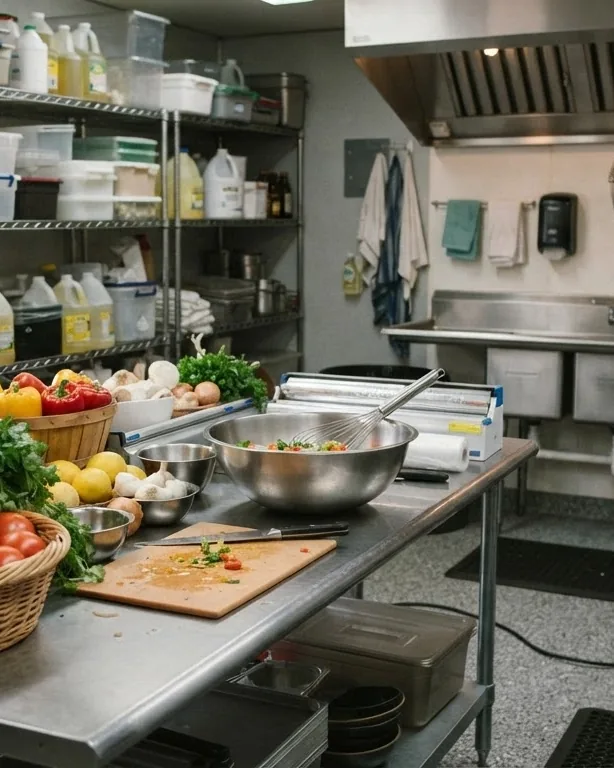
Not every base offers the same menu of services, so it helps to know the full list before you shop. A well-equipped commissary usually gives you a mix of kitchen access, utilities, and parking. The exact bundle drives the price, and it is where you decide what you actually need versus what looks nice on a tour.
- Commercial kitchen: counter space, ranges, a three-compartment sink, and prep tables for bulk cooking and cooling.
- Potable water fill: a food-grade fresh water source to top off your tank, typically 30 to 65 gallons per fill.
- Gray water disposal: a legal dump point for waste water, since your gray tank runs at least 15% larger than your potable tank.
- Grease and trash disposal: a compliant place to dump used oil and refuse.
- Cold and dry storage: walk-in refrigeration and freezer space to hold product at safe USDA temperatures, plus shelving for dry goods.
- Parking and overnight storage: a secure spot with electric hookup, and often propane and ice refills.
Storage is the piece owners underestimate. The USDA guidance on cold holding is unforgiving, and a small onboard fridge cannot keep a full weekend of inventory below 41 degrees F on its own. A walk-in at the base solves that. It also means you buy in bulk, which trims food cost, one of the few levers you fully control. When I moved my cold storage off the truck and into a commissary walk-in, my spoilage dropped noticeably within the first two months.
Water is the other quiet workhorse. On a busy day my rig can move through 40 to 60 gallons of fresh water between cooking, handwashing, and cleanup. The commissary is where I top that off in the morning and dump the gray water at night, both under a food-grade hose and a legal drain. Doing either at a random parking lot spigot is the fastest way to earn a violation. The base turns a daily headache into a five-minute routine, and it keeps the whole operation inside the FDA Food Code without me thinking about it.
One more service that earns its keep is grease and refuse disposal. Used cooking oil cannot go down a storm drain, and most cities fine hard for it. A dedicated base gives you a compliant grease bin and dumpster access, which sounds boring until you realize how many small operators get written up for exactly this. When you tour a site, ask to see the grease and waste area, not just the shiny prep kitchen.
What a food truck commissary costs per month
Now the number everyone wants. Pricing varies a lot by city and by how much kitchen time is baked in, but the ranges are fairly consistent across the country. A bare-bones plan that only gives you compliance access and a dump point tends to run $300 to $600 per month. A mid-tier plan that includes real prep hours usually lands at $600 to $1,000 per month. A full-service plan in a major metro, with 24/7 access and a dedicated parking spot, often reaches $1,000 to $1,500 or more per month.
Geography swings it hard. In big cities like New York, San Francisco, and Chicago, full service can run $1,000 to $2,500 per month. In mid-sized markets like Phoenix or Tampa, the same package is often $500 to $1,200 per month. If you only need occasional prep, some kitchens rent by the hour at roughly $25 to $50 per hour, which can beat a monthly plan for a part-time or seasonal operation. The nationally quoted middle range for a typical operator sits around $250 to $750 per month.
Here is a rough map of the tiers so you can slot yourself in quickly:
| Tier | Typical monthly cost | What you get |
|---|---|---|
| Compliance only | $300 to $600 per month | Legal base address, water fill, waste dump |
| Mid-tier | $600 to $1,000 per month | Above plus real prep hours and storage |
| Full service metro | $1,000 to $2,500 per month | 24/7 access, dedicated parking, cold storage |
| Hourly rental | $25 to $50 per hour | Pay-as-you-go prep for part-time trucks |
Whatever tier you pick, treat it as a fixed cost and put it in your model next to insurance and fuel. The SBA is a good reference for how to build those startup and operating numbers, and its planning tools at SBA can help you pressure-test the budget before you sign anything. A commissary that looks cheap on paper but sits 45 minutes from your route can cost more in fuel and lost hours than a pricier spot next door.
Watch for the extras that do not show up in the headline rate. Some kitchens charge separately for a parking bay, for after-hours access, or for a second set of keys. Others meter your cold storage by the shelf or the pallet. When I compare two quotes, I add up a realistic month, twelve to sixteen prep sessions plus daily water and waste, before I decide which one is actually cheaper. A $450 per month base with fair add-ons can beat a $400 base that nickels you on every service.
Seasonality changes the math too. If you run heavy in summer and slow to two days a week in winter, an hourly plan at $25 to $50 per hour may save you hundreds of dollars in the off months compared with a locked monthly contract. Ask whether the kitchen lets you switch between monthly and hourly as your volume shifts, because the flexible ones are worth a small premium.
How to find a food truck commissary that fits
Once you know the price bands, the hunt gets practical. There are three common paths, and each one carries a different tradeoff between cost, convenience, and control. I have used two of the three, and the right pick depends mostly on your volume and your schedule.
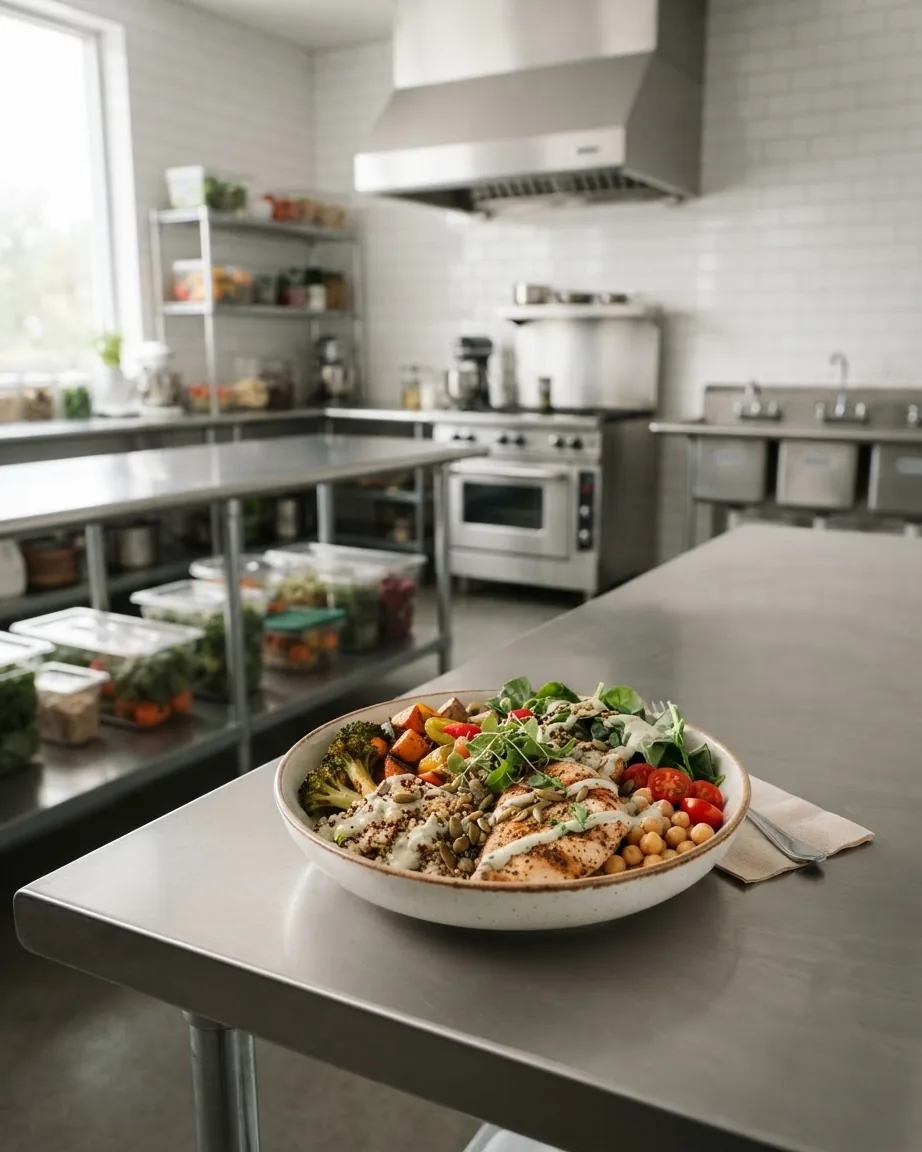
Shared and ghost kitchens. These are purpose-built spaces rented to multiple food businesses, and they are the fastest growing option in most cities. They tend to be clean, already permitted, and flexible on hours. The tradeoff is that popular time slots fill up, and you share equipment with other tenants, so the kitchen can feel crowded during peak prep windows.
Restaurant off-hours. Plenty of brick-and-mortar restaurants rent their kitchen during closed hours, often overnight or early morning. This can be the cheapest route, and the equipment is usually solid. The catch is scheduling around the host restaurant and making sure the deal is documented well enough to satisfy your health department. A handshake will not pass inspection.
Dedicated commissaries. These are facilities built specifically to service mobile units, complete with water fill, gray water dump, parking bays, and cold storage under one roof. They cost the most, but they remove the most friction, and they are built to help you pass inspection. For a high-volume truck running six or seven days a week, the extra spend often pays for itself in saved time.
Wherever you land, tour the site during a busy hour, ask current tenants about reliability, and confirm the facility is licensed and inspected. A base that cannot show its own permit is a base that cannot legally back yours. If you are still shaping your concept, browsing food truck ideas can help you estimate how much kitchen time your menu will really demand before you commit to a plan.
A short checklist keeps the search honest. Before you sign, confirm each of these:
- The facility holds a current health license and can show its last inspection score.
- Potable water fill and gray water disposal are on site, not a promise for later.
- Your assigned cold and dry storage is written into the deal, in cubic feet or shelves.
- Access hours match your prep schedule, including any overnight or early-morning window.
- The drive from the base to your main route is short enough to protect your fuel budget.
- The operator will sign a commissary agreement letter your health department accepts.
Distance deserves its own thought. A base that adds 20 miles round trip to every service day quietly eats fuel, mileage, and time you could spend selling. Over a six-day week that is 120 extra miles, and at real fuel prices the cost adds up faster than the rent difference between two kitchens. I would rather pay $100 more per month for a spot ten minutes from my route than save it and lose an hour a day in traffic.
The commissary agreement letter that unlocks your permit
This is the document that new owners forget until an inspector asks for it. A commissary agreement letter, sometimes called a letter of agreement, is a signed contract between you and a licensed commissary. It states which services you receive, what you pay, and that the facility is your permitted base of operations. In some states the form is standardized. Florida, for example, uses form FDACS-14223 as its commissary letter of agreement.
The letter matters because it is often the single piece of paper standing between you and an issued permit. Your health department wants a signed agreement on file before it approves the mobile unit, and it will want to see that the commissary itself holds a valid license. Keep a copy in your onboard compliance binder alongside your CFPM certificate, so it is ready when the inspector shows up unannounced.
A few details make the letter stronger. Spell out your access hours, the water fill and waste disposal terms, storage space assigned to you, and how either side can end the agreement. Vague letters cause real problems: if the commissary closes or drops you, your permit can lapse overnight, and you are off the road until you find a new base and file fresh paperwork. Treat the letter as a core business asset, not a formality, and revisit it every year when you renew your permit.
Frequently asked questions
Do I really need a food truck commissary to get a permit?
In most places, yes. The FDA Food Code frames mobile units as operating from a servicing area, and the majority of local health departments require a signed commissary agreement before they issue a mobile food permit. A handful of jurisdictions allow limited exceptions for very low-risk carts, but they are the exception, not the rule. Always confirm with your county health department in writing, because the requirement and the exact forms vary from one county to the next even within the same state.
How much should I budget per month for a commissary?
Plan for somewhere between $300 and $1,500 per month for most operators. A compliance-only plan can be as low as $300 to $600 per month, while full service in a major metro can climb past $2,000. If you only prep a few days a week, hourly kitchen rental at $25 to $50 per hour may be cheaper than a monthly contract. Weigh the drive time too, since a distant base burns fuel and hours that a nearby one saves.
What is the difference between a commissary and a ghost kitchen?
A commissary is the broad category: any licensed fixed facility that services your mobile unit for prep, water, waste, and storage. A ghost kitchen is one modern form of it, a shared commercial space rented to multiple food businesses, often with no dine-in area at all. A ghost kitchen can absolutely serve as your commissary if it offers the water fill, gray water disposal, and storage your health department requires and it is willing to sign the agreement letter.
What water and waste capacity does a commissary help me manage?
Your truck carries a potable water tank, commonly 30 to 65 gallons, and a gray water tank that must run at least 15% larger. Planning roughly 4 to 8 gallons of water per hour of service means a 10-hour day can need a 40 to 80 gallon system. The commissary is where you refill fresh water and legally dispose of the gray water and grease, which keeps you inside the FDA Food Code and clear of the violations the CDC warns lead to foodborne illness. Build these water and waste numbers into your food truck business plan so the base you choose can actually keep up with a full service day.