Type “mr frosty” into a map and you don’t get one company – you get at least three unrelated single-truck businesses that happen to spell their names almost the same way, plus a national franchise that isn’t named Mr. Frosty at all. There is a Mr. Frostie in Sussex County, Delaware. There is a Mr. Frosty’s in Norwalk, Connecticut. And there is a Mr. Frosty Ice Cream, LLC in Orange City, Florida. None of them owns the others, none shares a menu, and the mr frosty ice cream truck you want for a backyard party in one state tells you nothing about the one two states over. This guide sorts out who is who, what each actually scoops, and – if you’re thinking of running a truck like this yourself – what the paperwork really costs.
Quick answer: “Mr Frosty” is a shared local name, not a franchise. The Delaware operator spells it “Mr. Frostie” and books through a phone request at (302) 256-9810; the Connecticut operator spells it “Mr. Frosty’s” and books catering at 203-564-3889; the Florida one is “Mr. Frosty Ice Cream, LLC.” The large soft-serve franchise people confuse them with is Mister Softee, which runs 625 trucks across 18 states. Expect soft serve plus prepackaged novelty bars, not a standardized national menu. To run your own, permit costs differ sharply by state – a Texas Type I application runs $309.
Three “Mr. Frosty” Trucks, Three States, Zero Connection
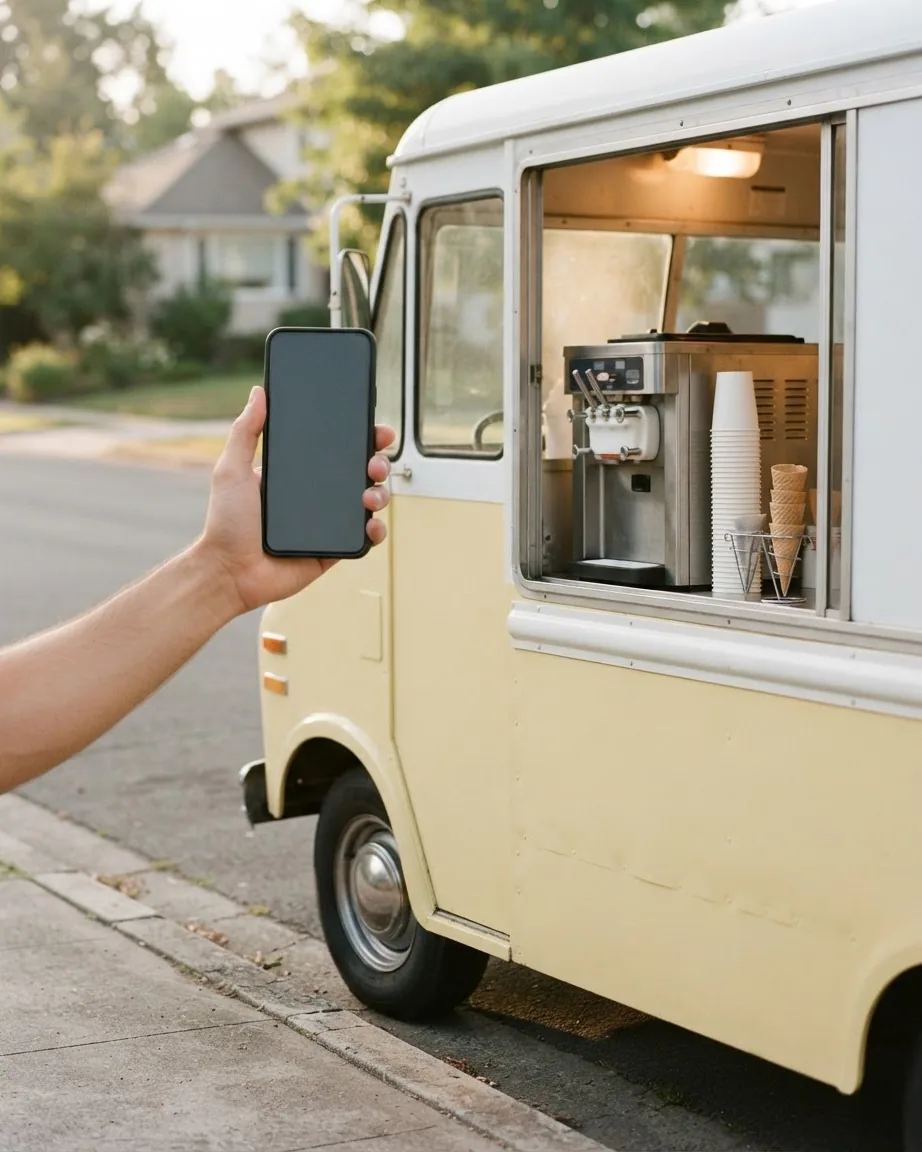
The first mistake callers make is assuming availability travels with the name. It doesn’t. These are three separate operations, and nothing in their public pages links them.
In Delaware, the truck is spelled Mr. Frostie and runs soft serve out of Sussex County. Its own site at mrfrostietruck.com takes event bookings through a request form and lists a phone contact. One wrinkle worth flagging: the booking line reads “Give Mr. Frosty a call at (302) 256-9810” even though the business brands itself “Mr. Frostie” – the spelling shifts between the name and the call-to-action, so don’t let that throw you when you dial.
In Connecticut, Mr. Frosty’s Ice Cream is a Norwalk shop with a catering arm. You reach it at mrfrostysicecream.com, and catering runs through rosa@mrfrostysicecream.com or 203-564-3889. This operator also spun off a slider food truck, SeaSide Sliders – a reminder that a dessert brand and its sibling concept can share owners without sharing a menu.
In Florida, Mr. Frosty Ice Cream, LLC operates out of Orange City. It surfaces in local business listings rather than a polished first-party site.
The practical takeaway: confirm the city before you confirm anything else. A quote, a menu, an inspection record from the Delaware truck has no bearing on the Connecticut or Florida one. Treat each as what it is – a standalone small business you have to vet on its own.
Why Your Search Keeps Surfacing Mister Softee Instead
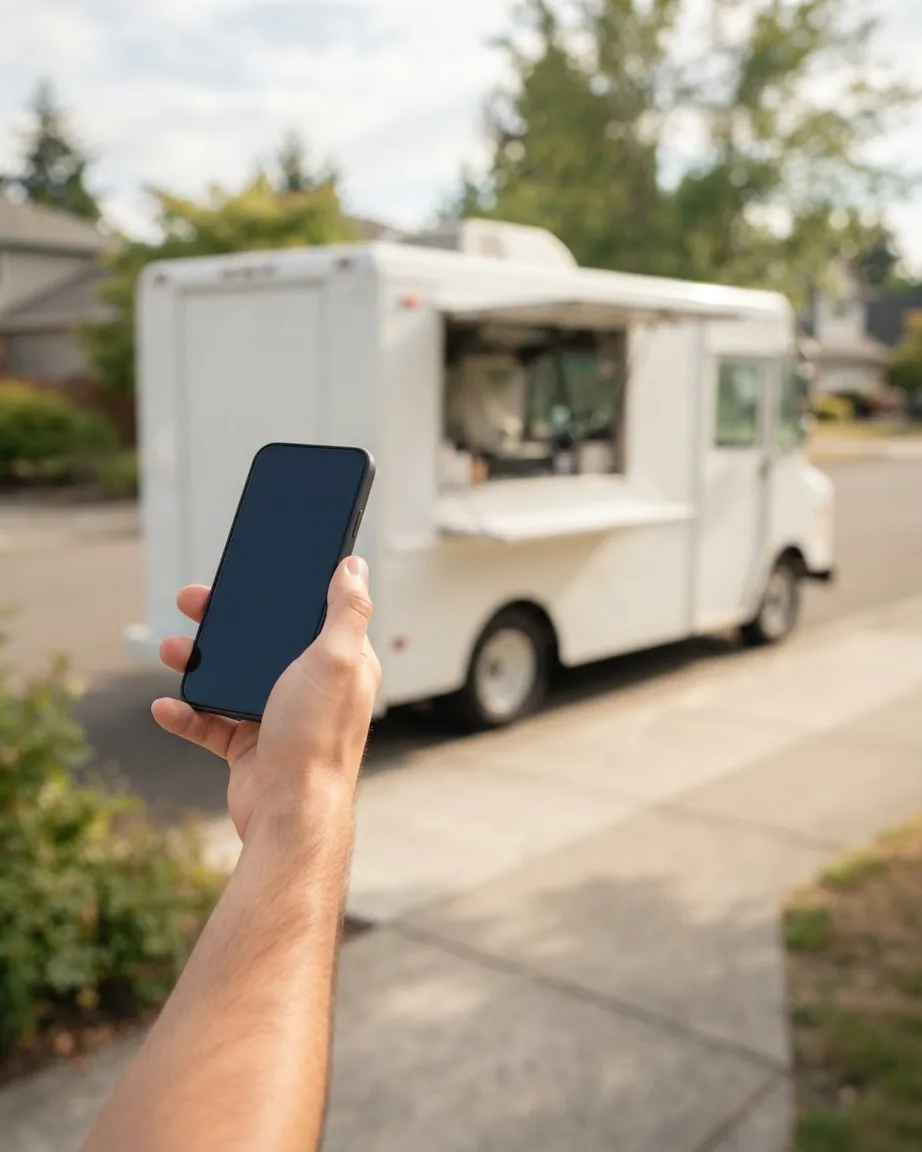
Search “mr frosty ice cream truck” and a different brand often elbows its way to the top: Mister Softee. That’s not an error on your part – it’s scale. According to its own franchise page, Mister Softee describes itself as the oldest and largest franchisee of soft ice cream trucks, with 625 franchised trucks in 18 states. A lone Mr. Frosty truck in one county can’t generate that kind of footprint.
The background, per Wikipedia, is that Mister Softee Inc. is an American ice cream truck franchisor based in Runnemede, New Jersey, founded in 1956 and best known across the northeastern United States. So when a backyard search pulls up Mister Softee instead of your neighborhood truck, you’re seeing a national operator’s reach swamp a hyperlocal name.
For your booking, this matters in one concrete way: if you want the specific local “Mr. Frosty” truck, you’ll likely have to search its exact city and skip the franchise portal entirely. The small operators take direct phone and email requests, not app reservations.
Don’t Name Your Own Truck “Mister Softee” – It’s a Live Federal Mark
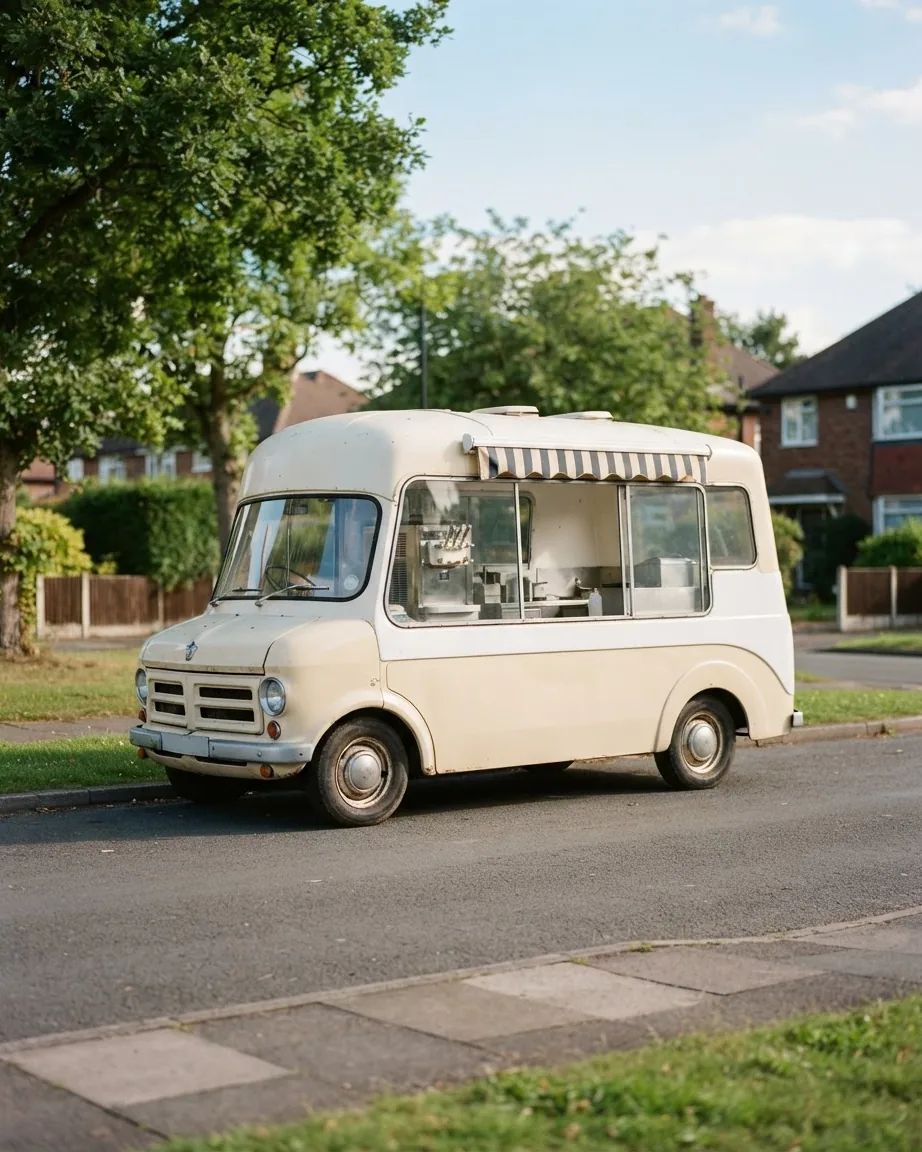
If the confusion above gives you the idea to borrow a well-known name for your own truck, stop. “MISTER SOFTEE” is a federally registered service mark. The United States Patent and Trademark Office record shows Registration Number 2128918, registered on Jan. 13, 1998, with a first use in commerce of Oct. 05, 1956 – the same year the brand was founded, so the dated registry filing and the company’s own narrative year line up rather than conflict.
That registration isn’t decorative. The company enforces it. Wikipedia documents that a former New York franchisee, Dimitrios Tsirkos, incorporated a competing company called Master Softee Inc. on January 24, 2014, and that Mister Softee sued and prevailed. The company’s vice president Jim Conway framed the stakes bluntly: “For 58 years we’ve spent our time, energy, and money developing brands.”
The lesson for a new operator is narrow and firm: pick a name and jingle that can’t be mistaken for an existing registered mark. Copying the name or trade dress of a protected brand invites exactly the kind of litigation that cost Master Softee its sign.
What a Local Mr Frosty Ice Cream Truck Actually Serves
Set your expectations by format, not by the name on the window. A small independent truck and a national franchise sell two different things.
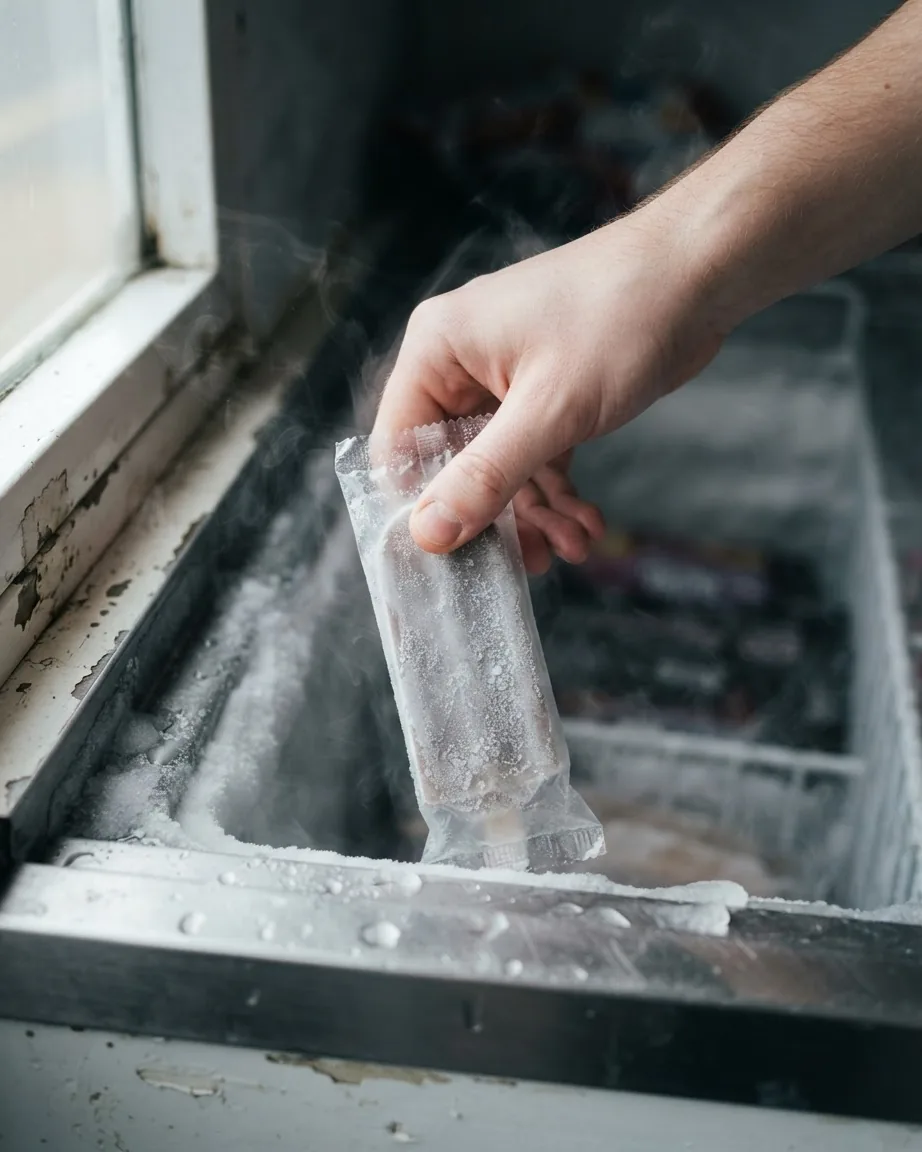
The franchise model is standardized soft serve: the same swirl, the same cone, truck to truck. The independents mix it up. A local “Mr. Frosty”-type truck typically runs soft serve alongside prepackaged branded novelties – think Drumsticks, Chipwiches, and licensed character bars – pulled straight from a freezer. In Connecticut, Mr. Frosty’s goes further with layered “Craver” sundaes on its menu, which is the kind of built-to-order item you won’t find on a route truck handing out wrapped bars.
Why the split matters at the counter: prepackaged novelties move fast and need no prep, which is how a one-person truck keeps a line moving. A layered sundae is slower but carries a higher ticket. If you’re booking for a big crowd on a tight window, ask whether the truck leans on wrapped novelties for speed or sundaes for show – the answer changes how many guests you can push through per hour.
If soft serve is the draw and you want to understand the machine behind it, our soft serve ice cream truck guide is a reasonable next stop. For the booking end of things, see also our ice cream truck catering guide.
How to Vet and Book a Local Ice Cream Truck Before You Pay
Because these are independent businesses, the burden of checking falls on you. A franchise has a corporate standard; a one-truck operation has whatever its owner and local health board require. Run through this before you commit a deposit:
- Confirm the city first. Three “Mr. Frosty” trucks exist across three states. Match the truck to your event’s location before anything else, because contact details and menus don’t transfer.
- Ask for the current license and inspection status. The Delaware operator publicly references event booking and operation; a truck that can’t tell you its license standing on request is a truck to skip.
- Expect a request, not an instant reservation. Both the Delaware and Connecticut operators work through a phone or form request that they confirm back to you – so book early and don’t assume your date is held until they say so.
- Use the direct contact line. Delaware: the request form plus (302) 256-9810. Connecticut: rosa@mrfrostysicecream.com or 203-564-3889. There’s no national reservation desk standing behind these names.
- Nail down the menu format. Soft serve, wrapped novelties, or made-to-order sundaes – confirm which, because it drives both your cost and your throughput.
Treat the whole exchange like hiring any small local vendor: get the license, the menu, and the confirmed date in writing before money changes hands.
The Permit Reality If You Want to Run a Mr Frosty Ice Cream Truck Yourself
Here’s where generic “how to start an ice cream truck” advice falls apart: there is no single national permit, and the real cost is almost never the headline fee. Three jurisdictions show how differently this gets measured – and these are separate regimes, not one rule with local flavor.
In New York City, the NYC Health Department issues a Mobile Food Vending License that is valid for two years at a fee of $50. But that license alone doesn’t put you on the street. You must also pass the Food Protection Course for Mobile Food Vendors, which carries a separate $53 fee the city requires you to pay as its own transaction. So before you even reach the separate unit permit, your combined upfront outlay to the Health Department is the $50 license plus the $53 course – and the course payment can’t be bundled with the license payment.
In Massachusetts, the gate isn’t just money – it’s eligibility. According to the Commonwealth of Massachusetts, permits are issued by the local police chief, a town or city board, or another authorized office, and every application includes a state and national criminal background check. By law, a permit cannot be given to anyone who is a registered sex offender. That background requirement applies to anyone who drives or operates the truck, not only the owner – a barrier most startup checklists skip entirely.
In Texas, a prepackaged ice cream truck lands in the lightest regulatory tier. The Texas Department of State Health Services classifies a vendor selling no time-and-temperature-for-safety foods – prepackaged ice cream is its own stated example – as Type I, with a $309 application fee and no pre-licensing inspection fee. A truck that cooks lands in a higher, pricier tier. That risk tiering corrects a common wrong assumption: not every mobile food vehicle faces identical requirements.
One more Texas detail you cannot plan around: beginning July 1, 2026, all mobile food vendors must be licensed with DSHS statewide rather than through each local jurisdiction, under House Bill 2844. That’s the opposite of the Massachusetts model, where a local police chief or board still issues the permit. Build your plan around the wrong one and you can stall your own launch.
The binding rules always come from your own city and county. Treat state pages as the floor, not the final word, and call your local health department before you buy a freezer.
Where the Novelty-vs-Scoop Choice Hits Your Wallet
The single decision that shapes your cost and your paperwork is whether you sell prepackaged novelties or scoop and prepare food. Texas makes it explicit by putting prepackaged ice cream in the lowest-fee Type I bracket with no pre-licensing inspection fee, while a cooking truck climbs into higher tiers. Prepackaged is cheaper to permit, faster to serve, and simpler to hold safely – which is exactly why so many local “Mr. Frosty” trucks lean on wrapped bars rather than a full made-to-order spread.
If that license-tier logic is the hinge of your business plan, our ice cream truck business guide walks the same fork between scooping and selling wrapped novelties. The number to carry into that decision is the one Texas already names: a Type I application at $309, with the higher tiers adding pre-licensing inspection fees your prepackaged truck avoids.
Is “Mr Frosty” a national ice cream truck franchise I can book anywhere?
No. At least three unrelated single-truck businesses use near-identical spellings across Delaware, Connecticut, and Florida, with no corporate link between them. The large soft-serve operator people confuse them with is Mister Softee, a separate company entirely. Always search your exact city rather than assuming one brand covers your area.
Can I legally call my own truck “Mister Softee” if I buy a used one?
No. That mark is federally registered under Registration Number 2128918, with a first use dated to 1956, and the company has won infringement suits – including one against a former franchisee’s Master Softee venture. Buying a used truck doesn’t grant naming rights; repaint and rename before you operate.
Which costs more to permit: scooping ice cream or selling wrapped bars?
Selling prepackaged bars is cheaper where risk tiers exist. Texas places prepackaged ice cream in Type I at $309 with no pre-licensing inspection fee, while trucks that cook or hold prepared food move into higher brackets that add inspection fees. Fewer food-safety steps means lower regulatory cost for a novelty-only truck.
Why does Massachusetts run a background check just to sell ice cream?
State law requires it for everyone who drives or operates the truck, not only the business owner. Each application includes a state and national criminal background check, and a registered sex offender under G.L. c. 6, § 178C cannot receive a permit. Clear this eligibility check before investing, since it can disqualify an applicant outright.
The Real NYC Entry Cost: License + Mandatory Course
The fees quoted for running a truck aren’t single line items. In New York City you can’t just pay the license – the Mobile Food Vending License costs $50 and is valid for two years, but you also have to clear the Mobile Food Vendor Food Protection Course at $53.00.
So before you pick a city for your own “Mr Frosty”-style truck, price the paperwork the way you’d price a freezer:
- NYC true entry cost: $50 license + $53.00 course = $103.00 to start legally.
- Per-year license cost in NYC: $50 ÷ 2 years = $25.00/year.