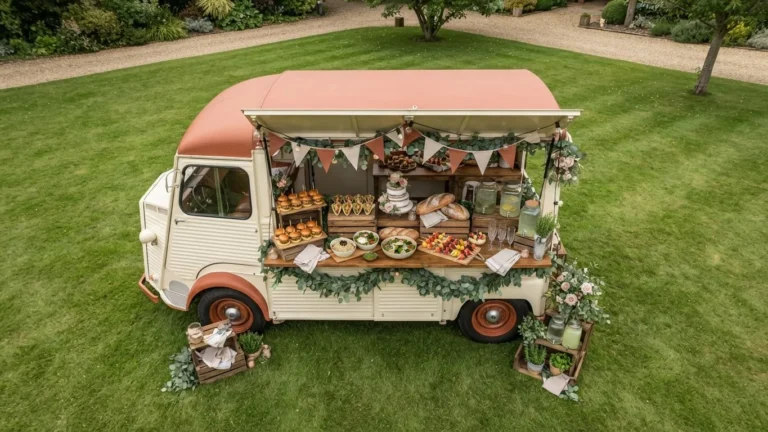
Food truck catering brings a working kitchen and a crowd-pleasing menu straight to your event, whether that is a wedding, a corporate lunch, or a backyard birthday. For most cuisines it runs about $10 to $25 per person, with a booking minimum that usually falls between $500 and $1,500. This guide explains exactly how food truck catering works, what it really costs once you include the fees people forget, how it compares to a traditional caterer, and how to book the right truck for your event.
It is one of the most flexible and memorable ways to feed a group, and knowing the numbers up front keeps it from springing surprises on your budget.
How Food Truck Catering Works
When you book a food truck for a private event, you reserve the entire truck, its crew, and its equipment for your exclusive use during a set window, usually 2 to 3 hours of active service. The truck arrives, sets up, cooks to order, and serves your guests fresh food on site.
The process starts when you send a booking request to a truck whose food and style fit your event. From there you discuss a custom menu, your guest count, the timing, and the logistics directly with the owner. Most operators are used to tailoring their menu and portions to an event, so the conversation is part of the service.
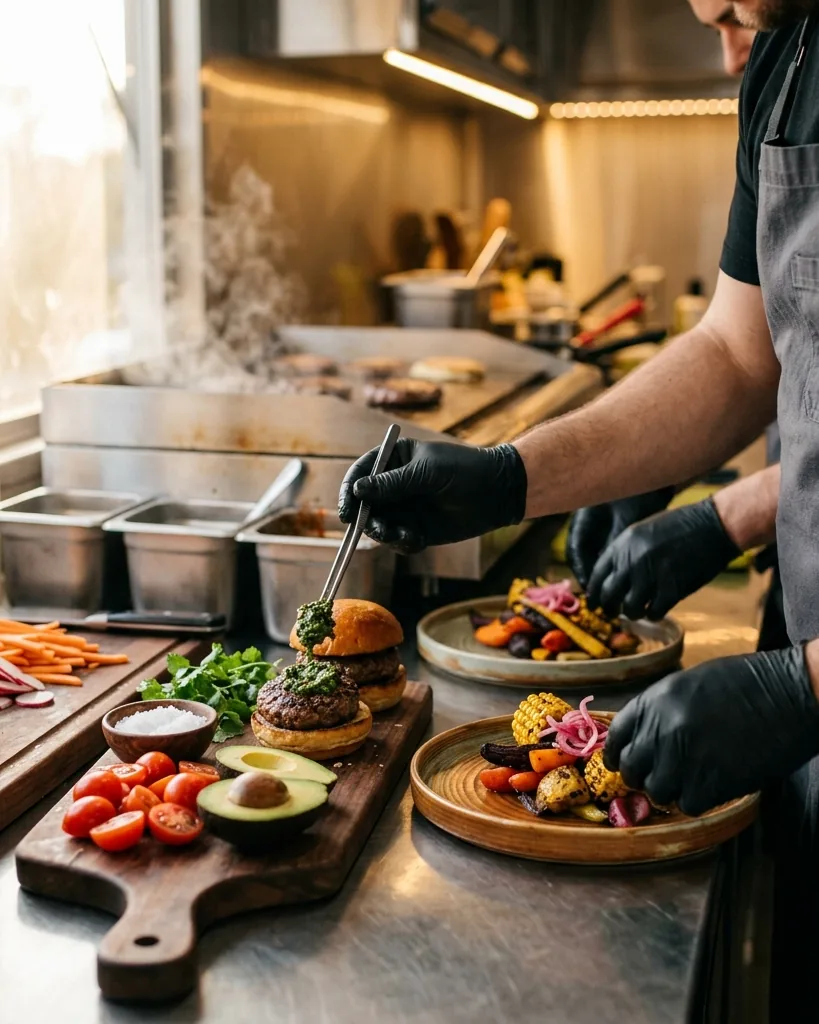
Food Truck Catering Cost Per Person
Per-person pricing is the simplest way to estimate your bill, and it varies mostly by the type of food. Here are the typical ranges.
| Cuisine | Typical cost per person |
|---|---|
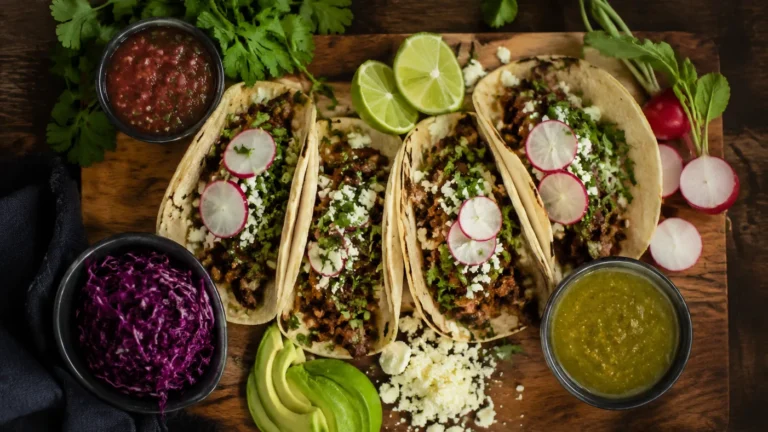
| Tacos and street food | $9 to $15 |
| Most cuisines (average) | $10 to $25 |
| BBQ, seafood, and gourmet | $15 to $25 |
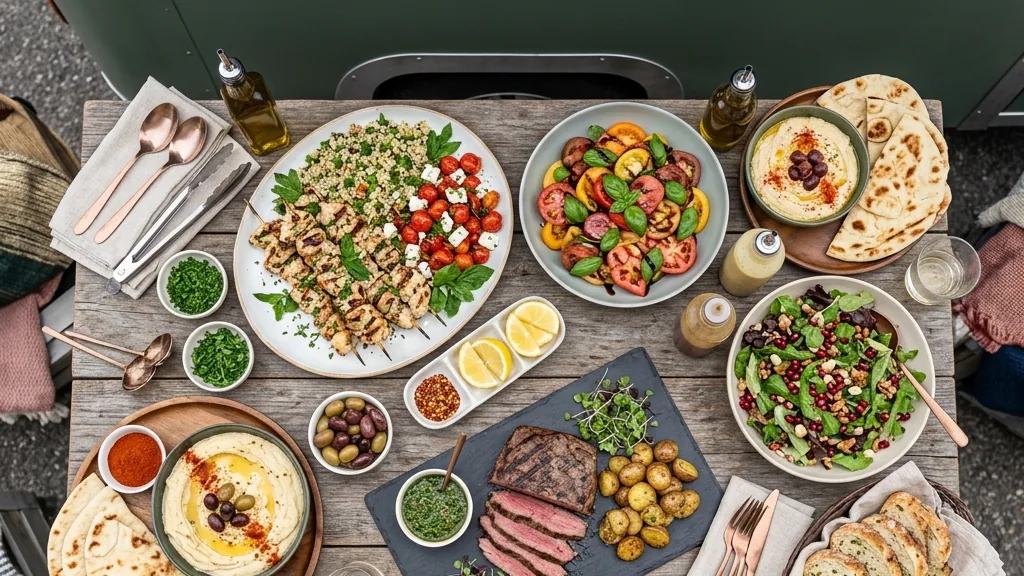
The final figure depends on your menu, the number of guests, how long the truck serves, and your location. Heartier or premium menus cost more per head, while simple street food keeps the per-person price down. For ideas on what trucks can serve, our roundup of food truck menu ideas shows the range of options.
The Booking Minimum
Almost every truck sets a minimum booking amount, typically between $500 and $1,500. This minimum covers travel, setup, staffing, and base food prep no matter how many guests actually show up.
The reason is simple economics: when a truck commits to your event, it gives up a day of public vending at street corners, breweries, or office parks that might have earned more. The minimum is the guaranteed revenue that makes your booking worthwhile for the operator. If your guest count is small, you may still pay the minimum even if the per-person math comes out lower.
Events That Suit Food Truck Catering
Few catering styles are as flexible. Food trucks work for a wide range of gatherings, including:
- Weddings: A casual, memorable alternative to a seated banquet, often at a lower cost.
- Corporate events: Employee appreciation days, client entertainment, team lunches, holiday parties, and even recurring weekly lunch programs.
- Private parties: Birthdays, graduations, reunions, and backyard celebrations.
- Festivals and community events: Where several trucks together create the draw.
The shared appeal is fresh, made-to-order food with a relaxed, interactive feel that a chafing-dish buffet rarely matches. For operators, catering is also attractive because it offers guaranteed revenue rather than the weather gamble of street vending, a business case the U.S. Small Business Administration touches on when it discusses planning a food business.
Food Truck Catering for Weddings
Weddings are where food trucks often shine on both experience and price. A food truck wedding for 100 guests commonly runs about $2,800 to $4,500 all-in, compared with $7,000 to $10,000 for a traditional caterer serving the same number.
That gap is real, but the all-in figure matters: the headline food cost is only part of the total. Build in the service charges and extras described below, and confirm exactly what the package includes, so the budget you plan is the budget you pay. Many couples still find the truck option both cheaper and more distinctive than a banquet.
The Hidden Costs to Budget For
The per-person rate is the start, not the finish. Several extras can add a meaningful amount, sometimes 50 to 80 percent on top of the base food cost, if you do not plan for them.
- Service charge: Most trucks add an automatic 18 to 22 percent, sometimes split into a gratuity for the crew and an administrative fee covering insurance, card processing, and permits. On a wedding, this alone can add $400 to $800.
- Travel and mileage: Events far from the truck’s base may carry a travel fee.
- Power and setup: A generator fee may apply if the venue has no power hookup.
- Extras: Disposables, sides, drinks, desserts, and extra staffing beyond the standard package.
Ask for an itemized quote so none of these surprise you late in planning. The right operator will lay them out clearly. You will also want the right coverage in place, which our guide to commercial food truck insurance explains from the operator’s side.
When to Book and How to Save
Timing affects both availability and price. Popular trucks fill their calendars months ahead, especially in peak wedding season, so booking 3 to 4 months out gives you the best selection and pricing.
You can also save by choosing your slot wisely. Weekday lunch events from Tuesday through Thursday tend to run 10 to 20 percent cheaper than a Friday evening or weekend booking, and a Wednesday office lunch is consistently the best-value time. If your date is flexible, shifting it can stretch your budget noticeably.
What to Ask Before You Book
A short list of questions prevents most misunderstandings. Before you sign, confirm:
- The full menu and dietary options, including vegetarian and allergy-friendly choices
- The guest count the quote covers and what happens if it changes
- The exact service window and arrival and setup time
- The minimum, the deposit, and the cancellation policy
- Whether the service charge, travel, power, and disposables are included or extra
- Proof of insurance and any permits required for your venue
- Space and power the truck needs on site
Getting these in writing turns a casual chat into a clear agreement, which protects both you and the operator.
Why Choose a Food Truck Over Traditional Catering
Beyond the cost savings, food truck catering offers something a banquet hall cannot: food cooked fresh in front of your guests, a distinctive cuisine, and a casual, social atmosphere. Guests line up, chat, and watch their meal made to order, which becomes part of the entertainment rather than a separate course.
For hosts who want their event to feel personal and a little different, that experience is often the deciding factor, with the lower price a welcome bonus. If you are on the operator side weighing whether to add catering, organizing the numbers in a plan helps, and the SBA’s business plan guide is a practical place to start. You can also see the event side of the business in our look at the food truck festival scene.
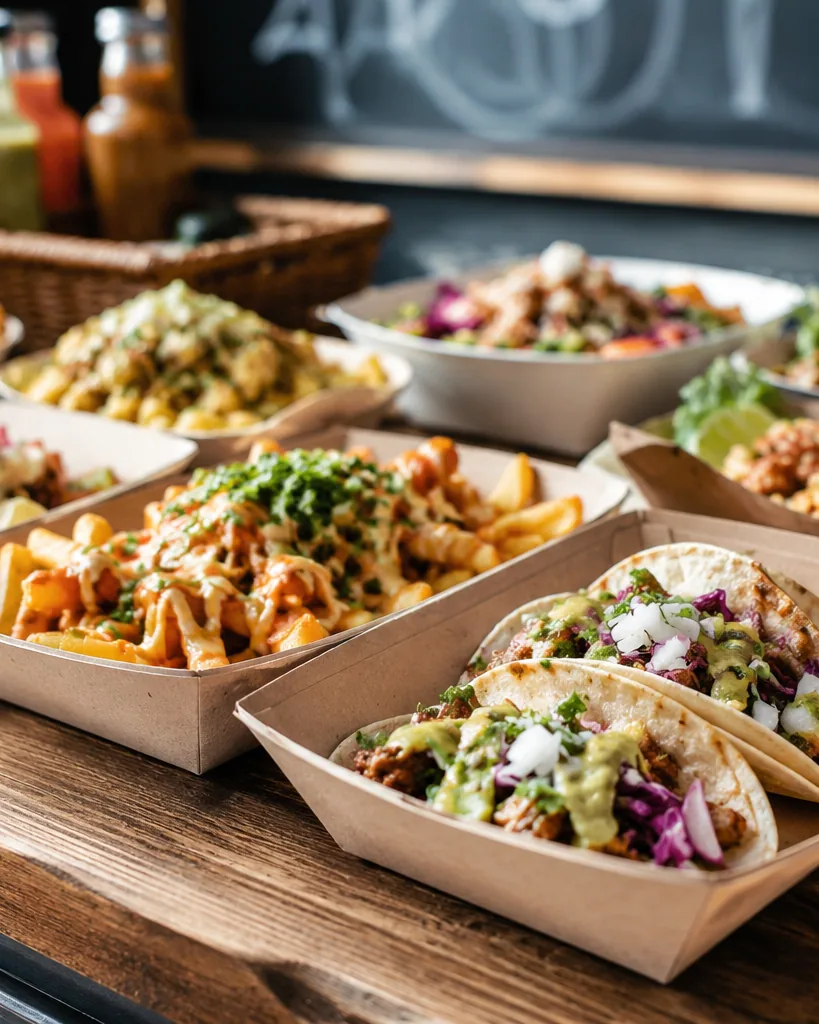
Food Truck Catering for Corporate Events
Companies have become some of the most reliable customers for food truck catering, and for good reason. A truck turns an ordinary workday into a small event, which makes it a popular choice for employee appreciation days, client entertainment, and team lunches.
Many businesses go further and set up recurring programs, booking a rotating lineup of trucks for a weekly lunch perk that keeps employees happy without the work of organizing each meal. For these bookings, a Wednesday lunch is often the sweet spot, landing on the cheaper weekday rate while breaking up the middle of the week. Holiday parties and product launches round out the corporate calendar, where a truck adds a relaxed, social tone that a formal sit-down meal can lack.
How Many Guests Can a Food Truck Serve?
A single truck can comfortably serve a surprising number of people, though the right answer depends on your menu and timeline. As a rough guide, one truck can handle roughly 75 to 150 guests within a 2 to 3 hour window, with simpler menus moving faster than made-to-order gourmet plates.
For larger events, operators have a few options. They may extend the service window, prepare some components in advance to speed the line, or recommend a second truck to keep wait times short. When you request a quote, share your guest count and timeline honestly so the operator can size the booking correctly. Nothing sours an event faster than a line that never moves, and a good caterer will tell you when one truck is not enough.
Setup, Space, and Power
A food truck needs the right spot to do its job, so logistics matter as much as the menu. Trucks require a level, accessible space to park, typically the size of a large vehicle plus room for a service line and your guests to queue.
Power is the other key detail. Many trucks run on an onboard generator, but some prefer a venue hookup, and a generator fee may apply if neither is available. Clearance for height and width, proximity to where guests will gather, and a clear path for the truck to arrive and leave all need checking ahead of time. Walking the venue with these needs in mind, or sharing photos with the operator, prevents day-of surprises that can delay service.
Food Truck Catering Versus Buffets and Plated Meals
It helps to see where food truck catering fits against the alternatives so you can choose with open eyes.
| Style | Strengths | Trade-offs |
|---|---|---|
| Food truck | Fresh, made-to-order, interactive, often cheaper | Needs space and power; line forms at peak |
| Buffet catering | Serves large crowds quickly, familiar | Food sits in trays; less of an experience |
| Plated service | Formal, fully staffed, seated | Most expensive; least casual |
If your event is formal and seated, a plated caterer may suit it better. But for a relaxed wedding, a company lunch, or a party where mingling is the point, a truck usually wins on both cost and atmosphere.
Tips for a Smooth Food Truck Event
A few simple steps keep the day running well. Lock in your final guest count and menu by the deadline in your contract, and tell the operator about any dietary needs in advance rather than on the day. Stagger service if you have a very large group, perhaps by table or by group, so the line stays manageable. Make sure the truck has clear directions, a contact person on site, and a confirmed arrival time that allows for setup before guests are hungry. Finally, keep a backup plan for weather if your event is outdoors, since shade or a tent for the queue keeps guests comfortable while they wait. It also helps to brief a member of your own team or wedding party to be the on-site point of contact, so the crew has someone to find for quick decisions instead of interrupting the host. A little coordination on these details lets you enjoy your own event while the truck handles the food, which is the whole reason to hire one in the first place.
Frequently Asked Questions
How much does food truck catering cost per person?
Most food truck catering runs $10 to $25 per person. Tacos and street food sit at the lower end, around $9 to $15, while BBQ, seafood, and gourmet menus run $15 to $25. Your final price depends on the menu, guest count, service length, and location, and most trucks also set a booking minimum of $500 to $1,500.
What is a food truck catering minimum?
A minimum is the smallest amount a truck will accept for a private booking, usually $500 to $1,500. It covers travel, setup, staffing, and base food prep regardless of how many guests attend, because the truck gives up a day of public vending to cater your event. If your group is small, you may pay the minimum even if the per-person total is lower.
Is food truck catering cheaper than a traditional caterer?
Often, yes. A food truck wedding for 100 guests commonly costs about $2,800 to $4,500 all-in, compared with $7,000 to $10,000 for a traditional caterer at the same count. Just remember to include the service charge and extras, which can add 50 to 80 percent to the base food cost, when you compare the two.
How far in advance should I book a catering food truck?
Aim for 3 to 4 months ahead, especially for weddings and peak season, since popular trucks fill their calendars early. Booking earlier gives you the best selection and pricing. If your date is flexible, a weekday lunch from Tuesday through Thursday is typically 10 to 20 percent cheaper than a weekend booking.
What extra fees come with food truck catering?
Common extras include an automatic 18 to 22 percent service charge, travel or mileage fees, a generator fee if there is no power on site, and charges for disposables, sides, drinks, and extra staff. Together these can add a significant amount, so always request an itemized quote that spells out exactly what is and is not included.
How many people can one food truck feed at an event?
A single truck can typically serve about 75 to 150 guests within a 2 to 3 hour service window, with simpler menus moving faster than made-to-order gourmet plates. For larger crowds, an operator may extend the window, prep some items ahead, or suggest a second truck. Share your guest count and timeline when you book so the truck can be sized correctly and the line stays short.
Does a food truck need power and special space at my venue?
Yes. A truck needs a level, accessible spot to park, roughly the size of a large vehicle plus room for a service line and queue, along with clearance for its height and width. Many trucks run on an onboard generator, but some prefer a venue hookup, and a generator fee may apply if neither is available. Confirm the space and power details with the operator before the event.
The Bottom Line
Food truck catering is one of the most flexible, memorable, and budget-friendly ways to feed a crowd. Plan on roughly $10 to $25 per person with a $500 to $1,500 minimum, then add the service charge and extras, which can lift the base food cost by 50 to 80 percent, to reach your true total. For weddings and corporate lunches alike, a truck often costs far less than traditional catering while delivering fresh, made-to-order food and a relaxed atmosphere guests remember. Book 3 to 4 months ahead, favor a weekday slot to save, ask the right questions, and confirm the logistics, and your event will run smoothly from the first order to the last. Do that homework once, and the truck takes care of the rest while your guests enjoy a meal they will be talking about long after the event is over.