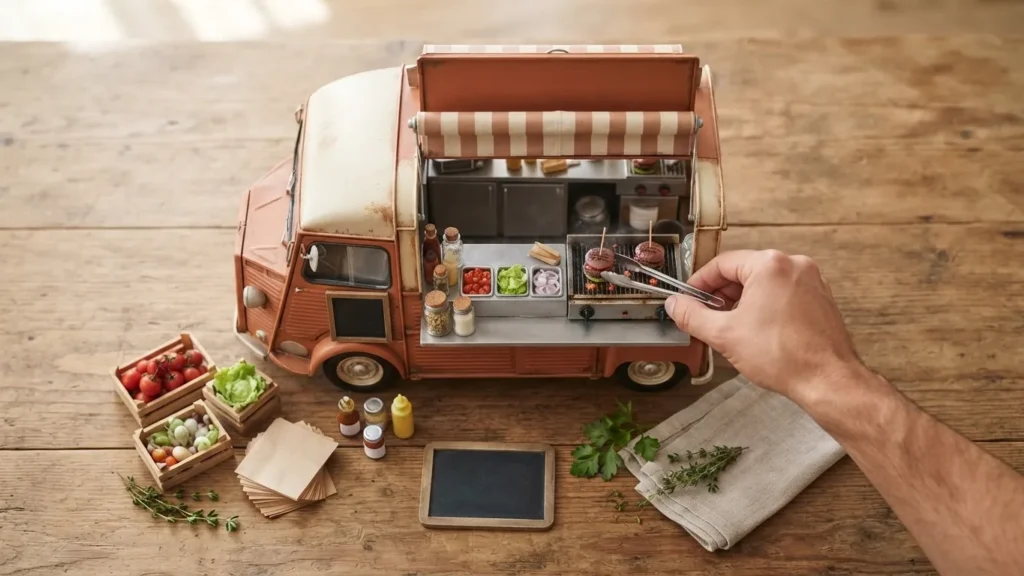
Before you fall for a Japanese kei conversion, know this: most of them cannot legally drive your route. A mini food truck built on a Suzuki Carry chassis is charming, compact, and in a lot of the country it is stuck. JDM Buy Sell, an import specialist that tracks kei road-legality state by state, puts the numbers bluntly in a June 2026 review: only about 7 states allow unrestricted on-road use, roughly 27 restrict these trucks to lower-speed or special-class roads, and about 14 prohibit on-road registration entirely. That is the first fact that should shape your spending, not the paint job or the window layout.
The rest of this guide treats the mini food truck as two separate problems at once: can the vehicle legally travel where you need to sell, and can the kitchen on top of it pass a health inspection. Those are different offices, different rules, and both can sink you alone.
Quick answer: A “mini food truck” usually means a kei conversion (a Suzuki Carry or similar), though the term also gets used for small step-van builds, trailers, and carts. A fully equipped kei mini is not cheap for its size and overlaps used conventional trucks. A kei carries about 350 kg (770 lbs), so it suits coffee, ice cream, drinks, or packaged items, not a full cook line. And a kei under 25 years old cannot be federally imported for highway use, so check your state’s road rules and registration path before you buy anything.
What Actually Counts as a Mini Food Truck
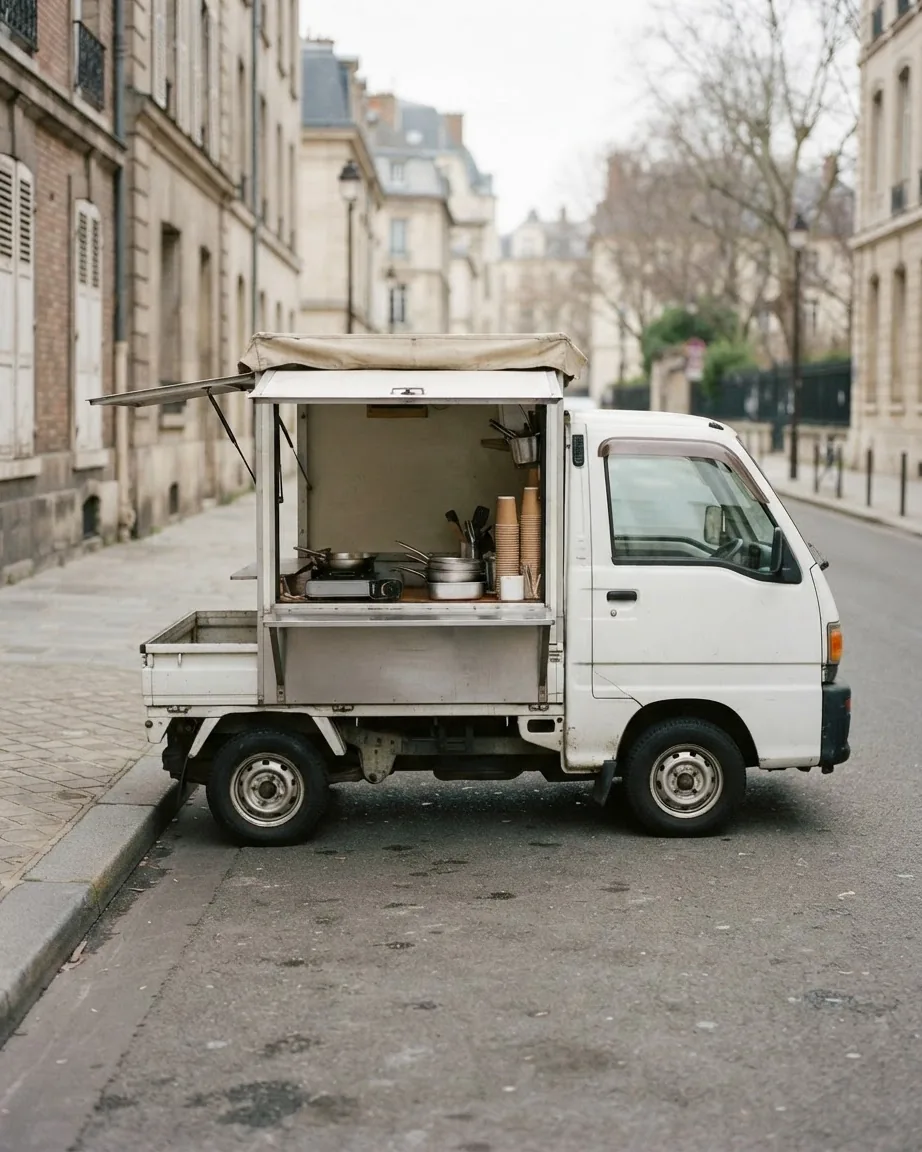
The word “mini” gets stretched across four very different vehicles, and the format you pick decides your cost, your menu, and your legal headaches.
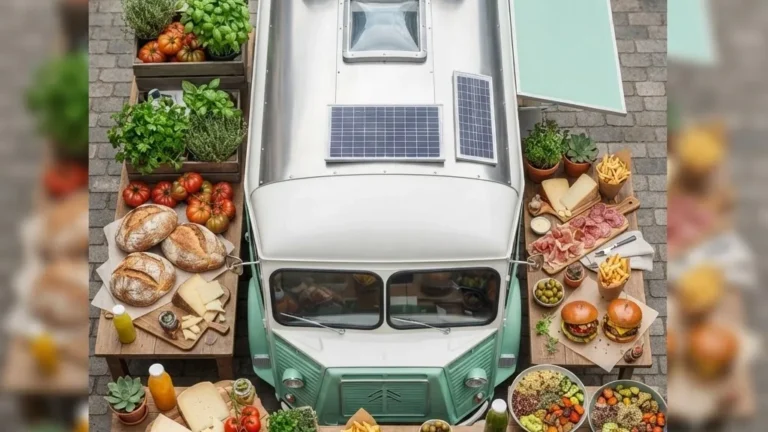
A true kei conversion is the most literal reading. Karpatia Trucks, a builder that specializes in these, sells mini food trucks on platforms like the Suzuki Carry. Then there is the small step-van conversion: Concession Nation lists 12 to 14 ft small food trucks, which are American-chassis builds, not kei imports. Trailers and carts round out the small end, and each behaves differently on the road and in front of an inspector.
The practical split: kei units are tiny, imported, and road-restricted; step-vans are small but drive and register like any commercial vehicle; trailers need a tow vehicle; carts are the cheapest and the most limited. Lumping them together is how budget-driven buyers end up with a vehicle they cannot drive to a lunch spot.
- Kei conversion, Suzuki Carry and similar; imported, road-restricted in most states.
- Small step-van (12-14 ft): American chassis, registers normally, fits a real cook line.
- Trailer, needs a tow vehicle, more floor space per dollar.
- Cart, cheapest entry, smallest menu.
The Mini Food Truck Cost Reality, Format by Format
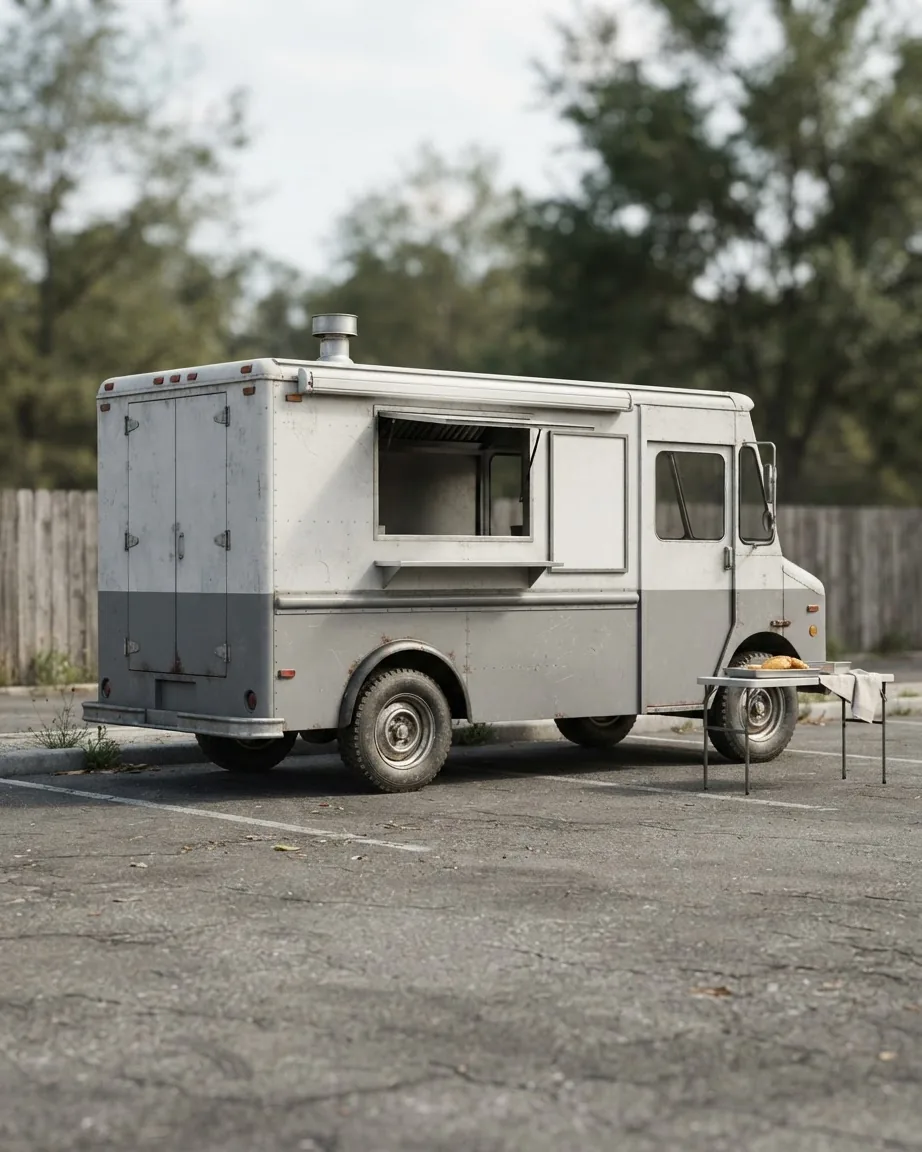
The biggest misconception is that “mini” means cheap. It does not. Here is what each format runs, and the figures come from different products and populations, so do not read them as like-for-like comparisons.
A fully equipped kei mini food truck, per Karpatia Trucks, is not a budget purchase. That overlaps a new conventional truck and sits well above a used one. The Restaurant Store, a foodservice equipment retailer, prices a new food truck at $75,000 to $150,000 and a used truck at $40,000 to $80,000. So a smaller vehicle can cost more than a bigger used one with a fuller kitchen.
Concession Nation’s small 12-14 ft step-van conversion starts at $47,000, and that is the conversion only, not the step van itself. PackJing, a food truck and cart manufacturer resource, prices a brand-new food cart at $5,000 to $15,000 and a used cart at $2,000 to $8,000, while a brand-new custom truck build on their tiers starts around $100,000 to $200,000. Trailers, per The Restaurant Store, run $20,000 to $50,000 new. The U.S. Chamber of Commerce (CO: ) pegs the average cost to open a food truck in the U.S. at about $55,000.
- Kei mini, fully equipped: overlaps a new conventional truck (Karpatia Trucks)
- Small step-van conversion: from $47,000, van not included (Concession Nation)
- New conventional truck: $75,000 to $150,000 new; used $40,000 to $80,000 (The Restaurant Store)
- Food trailer: $20,000; $50,000 new (The Restaurant Store)
- Food cart: $5,000 to $15,000 new; $2,000 to $8,000 used (PackJing)
- Rent to test: $2,000; $4,000 per month (The Restaurant Store)
If cost is the real constraint, a used conventional truck or a cart beats a kei mini on both price and road access. The one place a kei wins is footprint and novelty, not budget.
Federal Import Rules That Decide Whether a Kei Can Drive at All
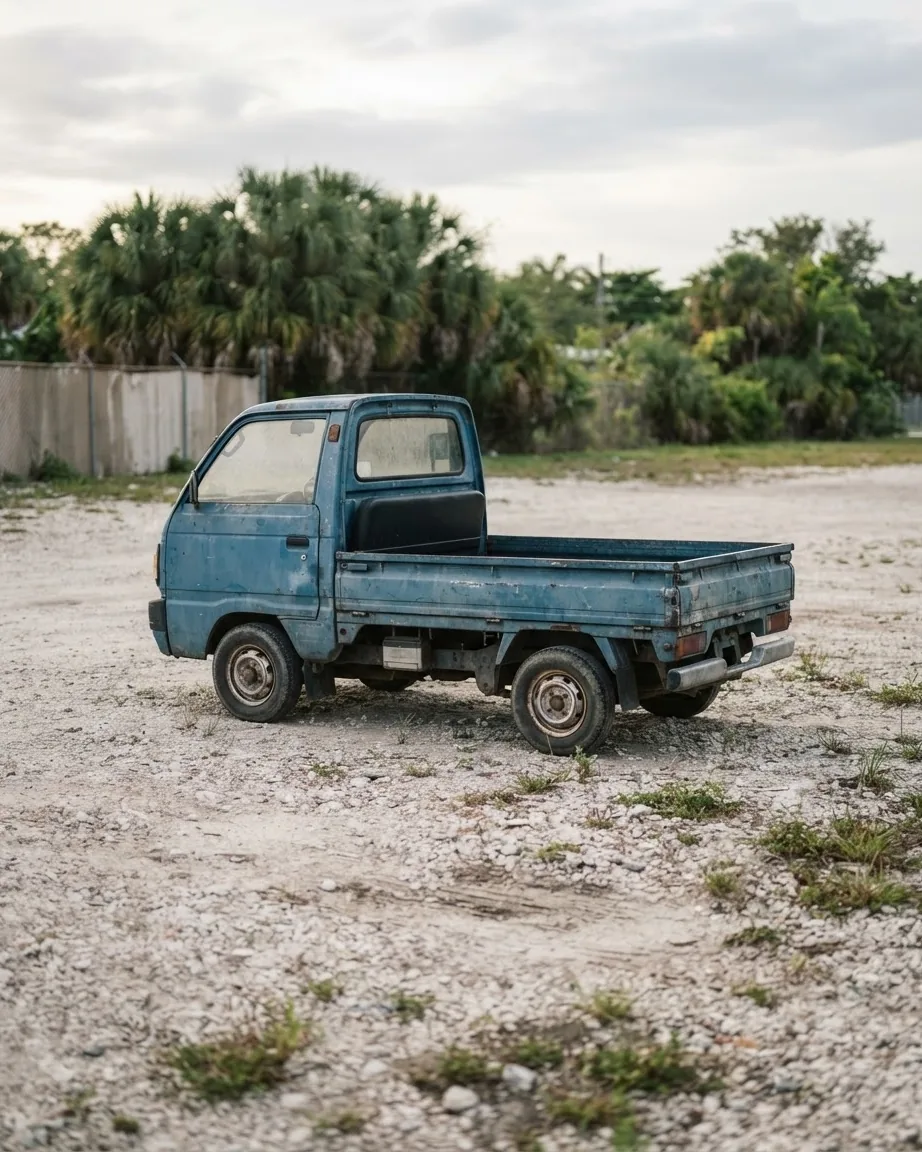
You cannot buy a new kei truck and put it on a U.S. road. JDM Buy Sell explains the federal gate: new kei trucks cannot be imported for highway use, and only examples 25 or more years old clear the import gate under the 25-year exemption.
That means a road-legal kei mini food truck is, by definition, an older vehicle. There is a second import pathway (off-road), and it is a trap for anyone planning to drive a route. Under the off-road path, the vehicle must be permanently modified to a maximum speed of 25 mph and certified to non-road emissions standards. A truck locked to 25 mph is not driving to a downtown lunch rush. Off-road and farm titles generally cannot be converted to road use later, so an off-road import can be an unusable-for-service purchase.
State Road Rules: Where a Kei Mini Can Legally Sell
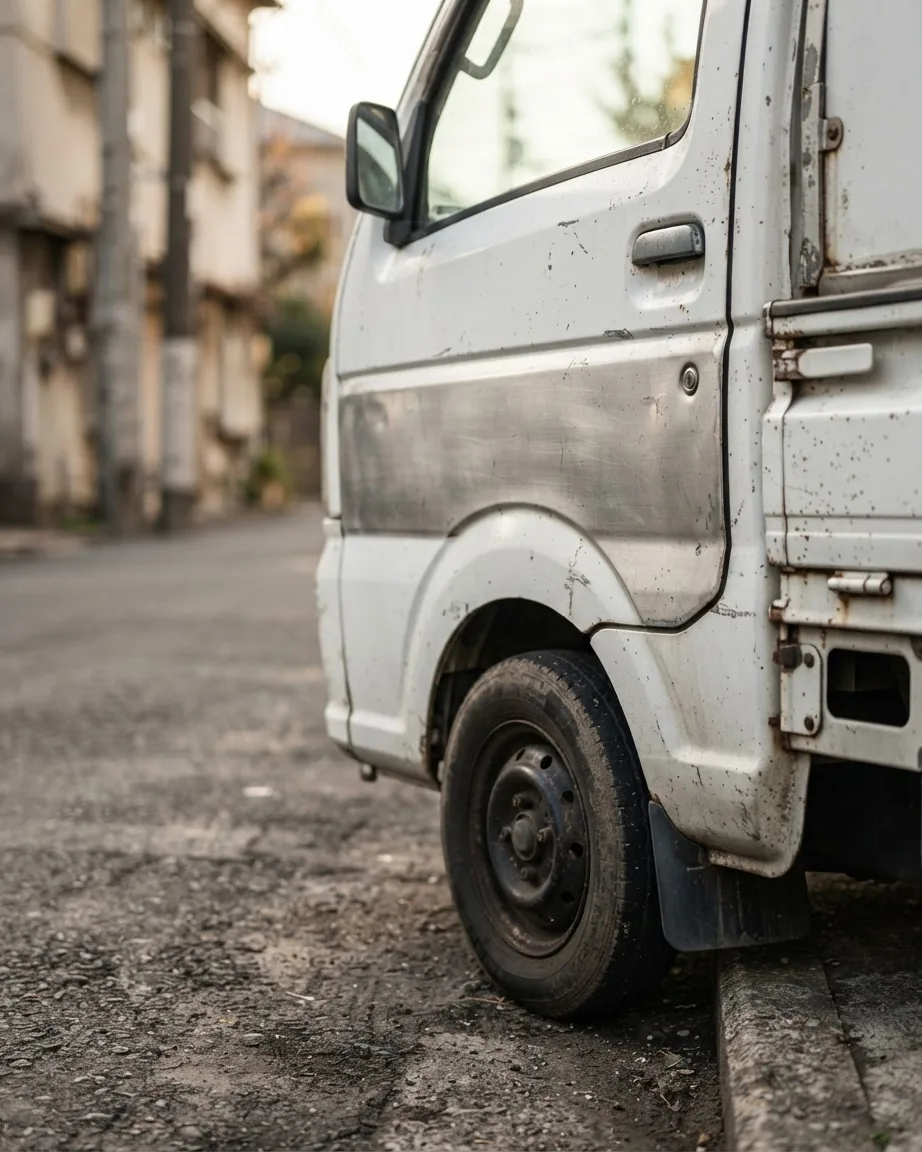
Clearing the federal gate does not make a kei street-legal. Registration and road access are set by each state, and they vary enough that the same truck is fine in one state and unregisterable in the next.
Pennsylvania’s Driver and Vehicle Services notes that mini-trucks may not hold unrestricted on-road registration unless the owner holds a grandfathered-status letter dated December 1, 2021 from PennDOT; their antique path requires the vehicle be at least 25 years old and not used for commercial purposes or daily transportation: a problem for a working food truck. The Indiana Bureau of Motor Vehicles defines a mini-truck as 60 inches or less in width, with an unladen dry weight of 1,600 pounds or less and a top speed not more than 60 miles per hour, and requires titling before registration.
Ohio’s Revised Code limits authorized mini-truck operation to streets and highways with a posted speed limit not greater than 35 miles per hour. The Louisiana State Legislature allows a mini-truck to operate where the posted speed limit is 55 mph or less, excluding interstates, controlled-access highways, and multi-lane divided highways with partial or no control of access.
- Ohio: roads with a speed limit of 35 mph or less only.
- Louisiana: posted 55 mph or less; no interstates or divided controlled-access highways.
- Pennsylvania: no unrestricted road registration without a grandfathered-status letter.
- Indiana: title first, then register; 60-inch width and 1,600-lb limits apply.
- New York: will not register or title kei vehicles.
- Texas: treated as an ordinary vehicle under SB 1816.
There is a disagreement worth naming here. Seller pages sometimes suggest a kei mini can simply be titled as a low-speed vehicle in most states. The legality-focused counts tell a harder story: roughly 7 states unrestricted, about 14 refusing registration, and interstates barred nearly everywhere. Both are describing the same vehicle class. Trust the state office that will actually issue your plate, and confirm in writing before money changes hands. These counts and the Texas and New York specifics rest on a single June 2026 review, so verify against your own state’s current rules.
As Louisiana State Legislature notes: “Any mini-truck operated upon a highway of this state shall register as an off-road vehicle and shall display a decal issued by the office of motor vehicles.”
What 350 kg and 660cc Let You Actually Sell
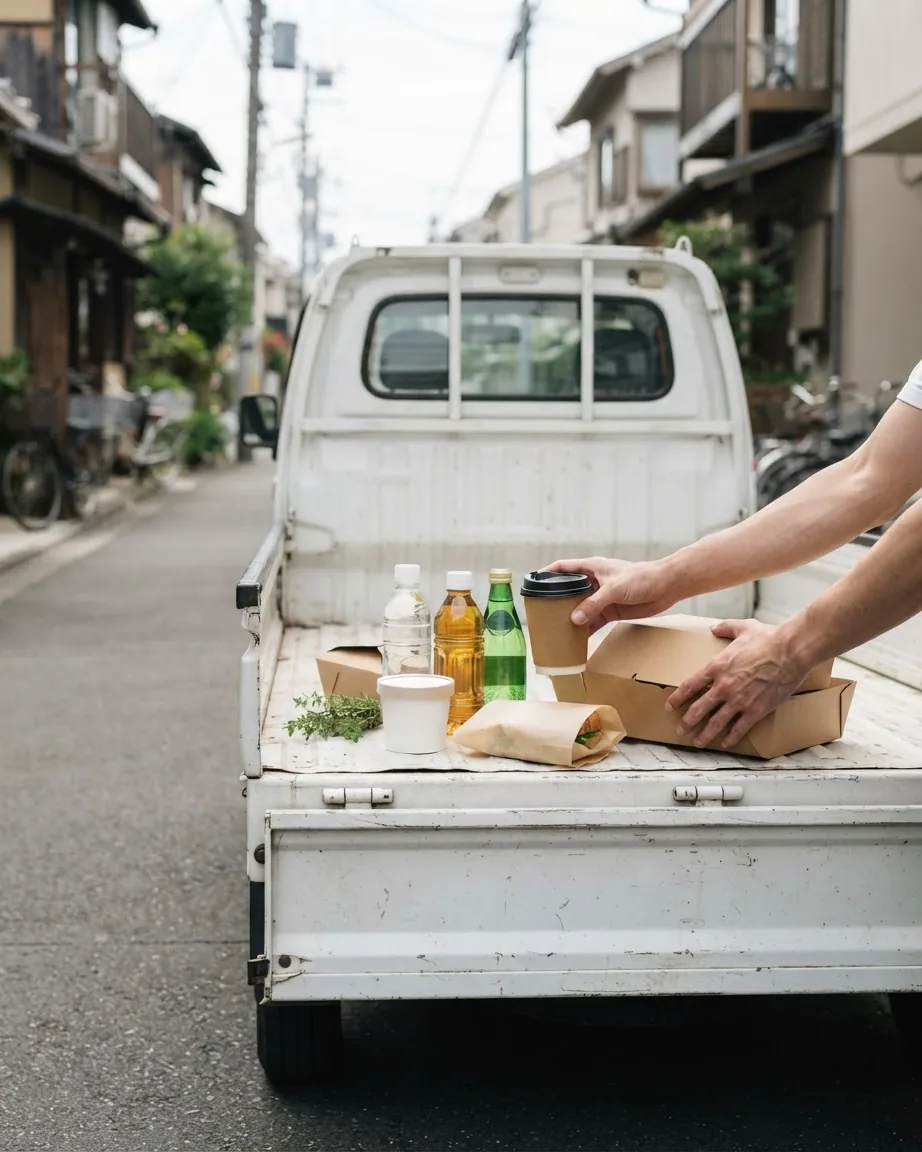
The kei platform’s hard limit is payload. Car From Japan, a JDM vehicle information site, lists the typical payload capacity for a standard Suzuki Carry at around 350 kg (770 lbs), and Wikipedia’s Suzuki Carry entry gives the same maximum load capacity of 350 kg (770 lb). Car From Japan notes that most kei models cap around 350 kg, though some export versions can carry more depending on design and market, so do not assume every Carry-badged vehicle matches the Japan-spec figure.
That 770 lbs has to cover your kitchen, your water, your product, and your staff’s gear. Add a kei engine capped at 660cc and a Suzuki Carry top speed of no more than 76 km/h (47 mph), and you have a vehicle built for light service, not a heavy cook line.
The honest menu fit for a kei: coffee, ice cream, cold drinks, and packaged or low-prep items. A griddle-and-fryer line belongs on a bigger chassis. PackJing notes that most sellers run a 14 to 18 ft food truck for a griddle, warming box, and small fridge, and that American BBQ or smoked-meats operators go for an 18 ft or larger step van or a 20 ft trailer. For a frozen concept that actually fits the weight budget, see our ice cream truck popsicles guide.
Two Compliance Tracks: The Kitchen and the Chassis
A road-legal truck with an illegal kitchen cannot open, and a perfect kitchen on an unregisterable chassis cannot move. These are separate approvals from separate agencies.
The Rhode Island Department of Health, as one state example of the health side, charges a non-refundable mobile food establishment application fee of $100, prorated by submission date. It also requires that the wastewater tank be at least 15 percent larger than the potable water tank. That second rule eats into a kei’s scarce floor space twice: once for the fresh tank and once for an even bigger gray tank (before you place a single piece of equipment). Complex prep typically also pushes you into a licensed commissary off the truck. The binding version of these rules comes from your own city, county, and state health department, not Rhode Island’s.
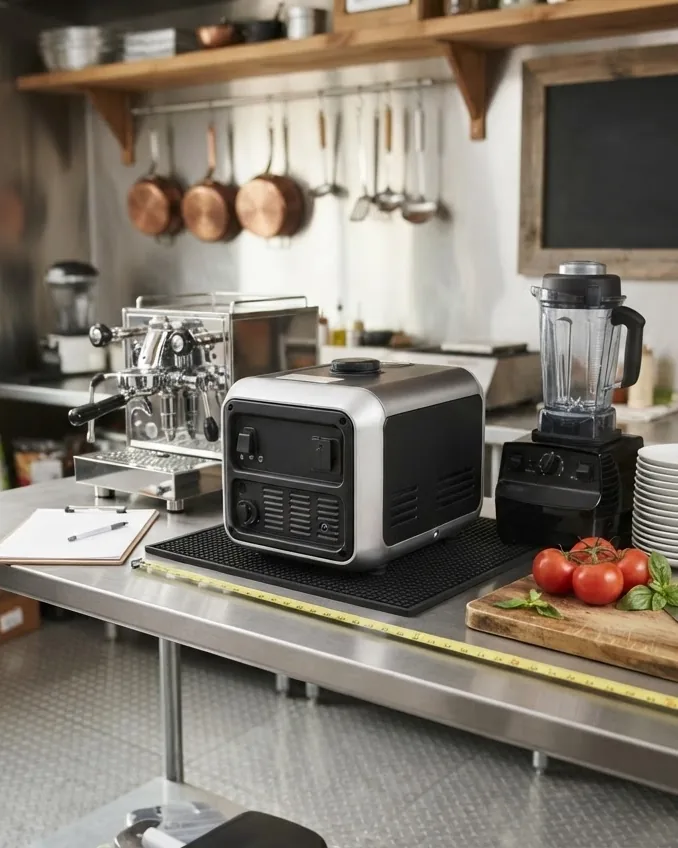
On the equipment side, Concession Nation’s small-truck builds show what a real cook line demands: a 6 ft hood with fire suppression over a 24-inch griddle, 24-inch broiler, and deep fryer, or a 4-burner range with oven, 36-inch griddle, and deep fryer under a 7 ft hood. None of that fits a kei’s payload. If you want that line, you want the step van, and the ventilation and fire-code sizing that comes with it is set locally. For more on fitting a build to inspection, browse our equipment section and our food truck design ideas.
Buy, Rent, or Run Two Small Units
If the mini concept is about low cost or testing a market, renting beats buying. The Restaurant Store prices renting a food truck at $2,000 to $4,000 per month: a way to prove a menu and a route before committing to a kei or a $100,000 to $200,000 custom build.
There is also a strategic read on the mini format. Two small units (a cart plus a used truck, say) can cover two events at once and spread the risk of one vehicle going down, for less combined money than a single kei build. A used conventional truck at $40,000 to $80,000, or even a cart at $5,000 to $15,000 new, gives you road access the kei may never get in your state. The kei earns its place where the footprint, maneuverability, or look is worth paying a premium for and your state is one of the few that lets it drive freely.
For event-side math on where a small unit pays off, see our food truck events breakdown and the food truck rental for a party numbers.
Mini food truck street legality by state
No. For kei conversions, access splits roughly into about 7 unrestricted states, around 27 with speed or road-class limits, and about 14 that refuse registration, per a June 2026 review. New York will not title them; Texas treats them as ordinary vehicles. Always confirm with your state motor-vehicle office before purchase.
Importing a brand-new kei truck for a food business
Not for road use. Federal rules only admit kei vehicles 25 or more years old for highway use under the exemption from safety and emissions conformance. The alternative off-road import path forces a permanent 25 mph speed cap, which rules out driving a normal vending route, so a new import is off the table.
Why a tiny kei costs as much as a full-size truck
The price covers the import, the conversion labor, and a compliant kitchen packed into a very small shell. Smallness does not lower the build complexity. A used conventional truck at $40,000 to $80,000, or a cart at $5,000 to $15,000, is the cheaper route when budget is the deciding factor.
The menu that works best on a 770 lb payload
Light, low-inventory concepts: espresso and coffee drinks, soft serve or scooped ice cream, cold and bottled beverages, and packaged or minimal-prep items. The weight budget has to carry equipment, water tanks, product, and staff, so a fryer-and-griddle line belongs on a step van rated for the load instead.